

You're standing in the kitchen on a perfectly normal Tuesday. Your chest tightens. Your heart picks up speed. Your mind starts auditioning worst-case scenarios. And you cannot point to one thing that's actually wrong.
So you go looking for the reason. When you can't find one, you add a second layer: now you're anxious about being anxious.
Here's what most people never hear. Anxiety with no obvious cause usually has a cause. It just isn't in your calendar or your inbox. It's in your biology. Sleep debt. A cortisol rhythm running out of sync. A blood sugar dip your body reads as an emergency. Caffeine doing exactly what caffeine does. Hormones shifting underneath you after 35.
This post is education about those mechanisms. It is not a diagnosis, and it does not replace treatment if you live with an anxiety disorder. But if your anxiety shows up without a clear trigger, these are the first places to look.
You're Not Imagining It
In a 2026 American Psychiatric Association poll, 48 percent of US adults said they felt more anxious than they did a year earlier, up from 43 percent in 2025. The CDC's National Health Interview Survey found that about 1 in 8 adults (12.2 percent) regularly felt anxious in 2024, and roughly 1 in 5 has been diagnosed with an anxiety disorder at some point in life.
Anxiety by the numbers
48%
of US adults feel more anxious
than a year ago (APA, 2026)
12.2%
regularly feel anxious
about 1 in 8 adults (CDC, 2024)
30%
higher anxiety after one sleepless night
in healthy volunteers (UC Berkeley)
50%
crossed the clinical anxiety threshold
after sleep loss, with no anxiety problem when rested
Sources: American Psychiatric Association, 2026; CDC NHIS, 2024; Ben Simon et al., Nature Human Behaviour, 2019.
The last two numbers come from Berkeley sleep research, and they're the reason this post starts with sleep. More on that in a minute.
Anxiety Is an Alarm. Your Body Sets the Sensitivity.
Think of anxiety as a smoke detector. The beep is useful. It's supposed to go off when there's a fire. The problem starts when it goes off every time you make toast.
Two brain regions run this system. The amygdala detects threat. The prefrontal cortex is the brake: it looks at the signal and decides whether it's a real fire or burnt toast. Most anxiety with no obvious cause isn't a broken alarm. It's an alarm with the sensitivity turned all the way up and a brake that's underpowered.
Five dials control that sensitivity: sleep, cortisol, blood sugar, stimulants, and hormones. Here they are in order of how much they matter.
Dial 1: Sleep Debt Is the Biggest One
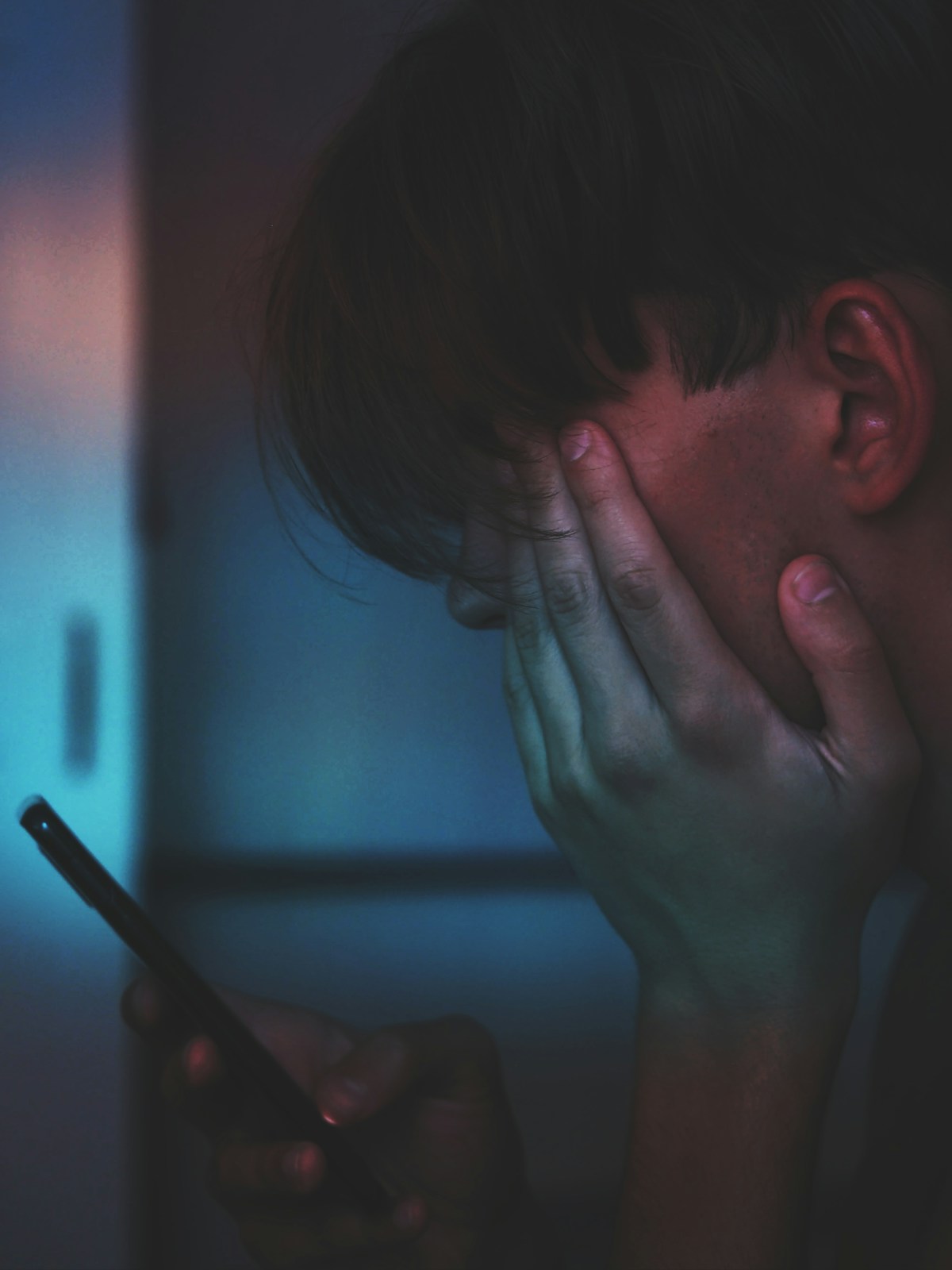
In 2019, UC Berkeley neuroscientists Matthew Walker and Eti Ben Simon published a study in Nature Human Behaviour that put numbers on the sleep and anxiety connection. After a night with no sleep, anxiety in healthy volunteers rose by up to 30 percent, and about half of them scored above the clinical threshold for an anxiety disorder, even though none had an anxiety problem when rested. Brain scans showed why. The medial prefrontal cortex, the region that regulates anxiety, went quiet while the deeper emotional centers ran hot. Walker's description sticks: the brain is too heavy on the emotional accelerator, without enough brake.
The team replicated the finding in a second group of 30 participants and an online sample of 280 people, and this part matters for everyone who isn't pulling all-nighters. Small nightly changes in sleep quality were enough to shift next-day anxiety. Deep slow-wave sleep did the most work, which is why Walker calls it a natural anxiolytic.
A 2013 study from the same lab in the Journal of Neuroscience found that sleep loss amplified anticipatory anxiety, the dread that something bad is about to happen, by firing up the amygdala and the insula. The effect was biggest in people who were already anxious by nature.
The relationship runs both ways, but the direction matters. A 2024 longitudinal study of 16,699 adults averaging 57 years old found that sleep disturbance was a stronger predictor of later anxiety than anxiety was of later sleep problems. Work on the sleep and you're working on a cause, not just a symptom.
After 35, deep sleep declines on its own. We walk through the best ways to fall asleep faster in this guide. Less deep sleep means less built-in anxiety regulation, which is one reason anxiety that never bothered you at 28 can show up at 42 out of nowhere.
Dial 2: Cortisol and the 3am Wake-Up
Cortisol is supposed to follow a rhythm. It rises shortly after you wake to get you moving, slides down through the day, and bottoms out around midnight. Chronic stress, short sleep, late-night drinking, and a late-day caffeine habit all blur that rhythm. When cortisol runs high at the wrong time, your body gets a stress signal with nothing to be stressed about.
That produces two classic patterns. The first is waking at 3 or 4am with a pounding heart and a racing mind, right when the natural pre-dawn cortisol rise meets a stressed or alcohol-disrupted nervous system. The second is waking up already anxious, before your feet hit the floor. Both point to the sleep and cortisol dials. Neither points to a character flaw.
We break down the overnight cortisol loop in our Alcohol and Sleep post, and the 3am mechanism applies whether or not alcohol is involved. If you're also running on empty during the day, this post on why you're always tired covers the energy side of the same system.
Dial 3: Blood Sugar and the Adrenaline Dump
When blood glucose falls fast, your body treats it as an emergency, because your brain runs on glucose. It releases adrenaline and cortisol to push sugar back up. Adrenaline is what you feel: shaky hands, pounding heart, sweating, a rush of dread. It's the same hormone behind a panic response, which is why a blood sugar dip and an anxiety spike can feel identical.
The tell is timing and relief. A drop in blood sugar after a meal, called reactive hypoglycemia, tends to hit two to four hours after eating, often after a carb-heavy meal with little protein or fat. If a snack settles it within minutes, blood sugar was part of the story. True clinical reactive hypoglycemia is less common than people assume, and plenty of blood sugar related anxiety is simply swings rather than real lows. Either way, the fix starts in the same place.
Build meals around protein, fat, and fiber instead of refined carbs alone, and don't drink coffee on an empty stomach, since caffeine stimulates adrenaline directly. If episodes keep happening, ask your doctor about a fasting glucose and A1c. Don't self-diagnose this one.
Dial 4: Caffeine and Alcohol
Caffeine blocks adenosine, the molecule that builds sleep pressure and quiets neural activity, and it pushes up adrenaline and cortisol. In the classic 1985 studies by Charney and colleagues, a large dose of caffeine (10 mg per kilogram of body weight, roughly seven or eight cups for most adults) produced anxiety, tremor, and palpitations, and 71 percent of the patients with panic disorder said it felt like their panic attacks. Healthy volunteers responded far less.
Dose matters, though. A recent randomized crossover trial found that 150 mg of caffeine, about a cup and a half of coffee, did not raise anxiety in people with panic disorder or in healthy controls. The same paper notes that doses above 400 mg, about four cups, trigger panic attacks in roughly half of people with panic disorder. Your sensitivity is individual, and so is your cutoff.
Caffeine's half-life runs around five to six hours, so a 2pm coffee is still half-present at 8pm and eats into the deep sleep that regulates your anxiety. My rule with clients: coffee after food, done by noon, and capped at the point where you stop feeling jittery.
Alcohol is the other one. It sedates you through GABA, then your brain rebounds with excess glutamate as the alcohol clears. That's why a drink or two can leave you with a 3am wake-up the same night and a wave of 'hangxiety' the next morning. If your anxiety is worst the day after drinking, you already have your answer. The full mechanism, with Oura data from more than 600,000 members, is in the Alcohol and Sleep post.
Dial 5: Hormones After 35
For women, perimenopause is the biggest unspoken driver of new-onset anxiety. Estrogen supports serotonin signaling. Progesterone converts to allopregnanolone, a neurosteroid that boosts the calming GABA-A receptor. During perimenopause both swing and fall, and a 2026 narrative review ties that decline to weaker GABA signaling, hyperarousal, anxiety, and disrupted sleep. Long-running studies like SWAN and the Penn Ovarian Aging Study have flagged the menopause transition as a window of higher vulnerability for new anxiety and mood symptoms.
Hormone therapy is a legitimate conversation to have with a knowledgeable doctor, but it isn't a guaranteed fix for anxiety. A 2025 systematic review presented at the Menopause Society annual meeting found that estrogen-based therapy did not consistently reduce anxiety across midlife women. Modest benefits showed up in symptomatic women within a few years of their final period, with oral estrogen looking the most promising. Dose, route, and baseline severity all mattered. That's a decision for you and your clinician, not a blog post.
If you're a woman in your late 30s or 40s and the anxiety is new, the timing is a clue. Our perimenopause symptoms post covers what to look for and what to ask for. For men, the first four dials do the heavy lifting, and they work exactly the same way.
Where Magnesium and L-Theanine Fit
Supplements don't override the five dials. They support them. Two have real research behind them on the calm side of the equation.
Magnesium. It dampens excitatory NMDA signaling and supports the HPA stress axis, and most American adults fall short, which we cover in the magnesium post. A 2025 systematic review of seven randomized trials with 621 participants found that magnesium supplementation was associated with lower anxiety and depression symptoms compared with controls, and the authors called for larger, more rigorous trials. Another 2025 review reached a similar place: the evidence for anxiety is smaller than for sleep, and results aren't fully consistent. My read is encouraging, not conclusive, and most likely to matter if you're running low. Glycinate is the form we recommend for calm and sleep.
L-Theanine. In a small randomized crossover trial published in Neurology and Therapy in 2021, a single 200 mg dose raised frontal alpha brain wave activity, the pattern linked to relaxed alertness, lowered salivary cortisol, and improved self-reported state anxiety compared with placebo after a mental stress test. It's a small study in healthy adults, so treat it as promising, not proven for anxiety disorders.
The Timing Map: Match the Pattern to the Dial
Keep a simple log for a week. Write down when the anxiety hit, what you ate, how much caffeine you had, and how you slept. The timing usually points to the dial.
30 to 90 minutes after coffee
Caffeine dose, or coffee on an empty stomach. Dial 3 and 4.
2 to 4 hours after a meal, relieved by eating
Blood sugar swing and the adrenaline response. Dial 3.
Wakes you at 3 to 4am, heart pounding
Pre-dawn cortisol, alcohol rebound, or sleep debt. Dial 1, 2, and 4.
Worst the moment you wake up
Sleep debt plus your morning cortisol rise. Dial 1 and 2.
New in your 40s, or worse before your period
Hormone shifts. Ask about perimenopause. Dial 5.
Constant, no pattern, affecting daily life
Not a lifestyle pattern. Get evaluated. See the section below.
Seven Days to Test It
You don't need a protocol. You need one week of changing the right variables while you track what happens.
- Lock your wake time. Stay within 30 minutes either side every day, and get outside light in the first hour. Your cortisol rhythm and sleep drive key off this.
- Eat before you caffeinate. Get around 30 grams of protein at breakfast before the first coffee, and finish coffee by noon.
- No alcohol after 6pm. One week gives you real data on your own sleep and your own anxiety.
- Build every meal around protein, fat, and fiber. Skip the refined-carb-only meals that set up a crash two hours later.
- Breathe out longer than you breathe in. Five minutes before bed, in for four and out for six. Longer exhales slow your heart rate, which tells your nervous system the threat has passed.
- Make the bedroom dark and cool, and move the phone out of reach. Doomscrolling at 3am is gasoline on the fire.
- Log it. Time of each spike, and what came before it. Two columns, one week.
Many people see a pattern by midweek. If the anxiety doesn't budge at all, that's information too, and it's a good reason to move to the next section.
When This Isn't a Lifestyle Problem
Everything above works on anxiety that has a biological accelerant. It doesn't replace care when anxiety is bigger than that. Get evaluated if:
- You worry on most days for six months or longer and can't control it
- You have panic attacks, or you avoid places, people, or situations to stay ahead of anxiety
- Anxiety is interfering with work, relationships, or sleep even after you've made changes
- You have chest pain, shortness of breath, or fainting. Get that checked promptly, because several medical conditions mimic anxiety
If you ever have thoughts of harming yourself, call or text 988, the Suicide and Crisis Lifeline, or go to your nearest emergency room.
Ask your doctor about a thyroid panel, ferritin, B12, fasting glucose or A1c, vitamin D, and RBC magnesium. Thyroid problems, low iron, and low B12 can all produce anxiety-like symptoms. Cognitive behavioral therapy is an established first-line treatment for anxiety disorders, and medication helps many people. Pairing lifestyle changes with treatment isn't either-or.
Where Vybrant Sleep Fits
Vybrant Sleep is not an anxiety treatment, and we won't pretend it is. It's built for Dial 1, the one that does the most work. Berkeley's research points to deep sleep as the time your brain resets its emotional brake. Vybrant Sleep combines Tart Cherry Extract, L-Theanine, Passion Flower, and SOMATO Phyto-Melatonin, as part of a nine-ingredient formula, to support the deep, restorative sleep that keeps your alarm system calibrated. It is not a sedative. It's a recovery tool for people who are serious about what happens while they sleep.
Try Vybrant Sleep risk-free with our 30-day money-back guarantee.
FAQ
Why am I anxious for no reason? Anxiety without an obvious trigger usually traces back to biology: sleep debt, a disrupted cortisol rhythm, blood sugar swings, caffeine or alcohol, or hormone shifts. Tracking the timing of episodes for a week often points to the dial that's turned up.
Why do I wake up anxious at 3am? Your cortisol naturally begins rising in the early morning hours. If your nervous system is already stressed from poor sleep, alcohol, or chronic stress, that rise can jolt you awake with a pounding heart and racing thoughts.
Can lack of sleep cause anxiety? Yes. In UC Berkeley research, one night of no sleep raised anxiety by up to 30 percent, and about half of healthy participants crossed the clinical anxiety threshold. Smaller drops in sleep quality also shifted next-day anxiety.
Can caffeine cause anxiety? It can, and the effect depends on dose and individual sensitivity. Large doses produce anxiety and panic-like symptoms, especially in people with panic disorder. Finishing coffee by noon and eating before you drink it are the simplest changes to test.
Can low blood sugar cause anxiety? A fast drop in blood sugar triggers adrenaline, which produces shakiness, a racing heart, and dread that feels like anxiety. Eating protein, fat, and fiber at meals reduces the swings. If episodes keep happening, ask your doctor about testing.
Can magnesium help with anxiety? The research is encouraging but not conclusive. A 2025 systematic review of seven randomized trials associated magnesium with lower anxiety symptoms, and the authors called for larger studies. It makes the most sense if your levels are low.
Why did my anxiety start in my 40s? Deep sleep declines with age, cortisol rhythms get less resilient, and for women, perimenopause shifts estrogen and progesterone, which affect the serotonin and GABA systems that keep anxiety in check. New anxiety in midlife is worth discussing with your doctor.
About Joshua Haag
Joshua Haag is a master trainer, certified nutritionist, and founder of Heroic Performance and Vybrant. With over 20 years in the health and wellness space, Josh is the coach people find when surgery and PT have not solved the problem. He specializes in spine and shoulder rehab, corrective exercise, and functional movement, and brings a uniquely broad background to every client: classically trained chef, certified nutritionist, former professional athlete, and returning lecturer at Perform Better. Based in Los Angeles, he offers in-home personal training through Heroic Performance and created Vybrant, a clean supplement and lifestyle brand built around sleep, recovery, and longevity.

