

You're tired. You're in bed. And your brain just filed a 47-page memo about everything you forgot to do last Tuesday. Sound familiar?
Falling asleep isn't supposed to be a project. But for millions of adults over 35, it has become one. You lie there, wide awake, watching the clock tick toward midnight while your body refuses to cooperate. There is a reason this is the most searched sleep question on the internet, and the reason is not laziness. It is biology.
After 35, melatonin production begins to decline. Cortisol, your stress hormone, stays elevated later into the evening than it should. Your circadian rhythm becomes more sensitive to light and more fragile overall. The result is a body that wants sleep but cannot seem to get out of its own way.
The good news: this is fixable. These seven methods are drawn from actual sleep research, used with real clients, and ranked in order of how fast they work. Start with number one tonight.
Why You're Taking So Long to Fall Asleep
The average person takes 10 to 20 minutes to fall asleep. If you're regularly clocking 30, 45, or 60 minutes, your nervous system is telling you something specific.
Here's what's usually happening after 35:
Melatonin is declining. Research confirms that melatonin production starts dropping noticeably in your mid-30s. The signal your brain sends your body at bedtime gets weaker. You feel tired but not sleepy. There's a difference, and it matters.
Cortisol is staying high. A healthy cortisol pattern means low levels at night. But chronic stress, screens, late workouts, and alcohol all push cortisol up when it should be dropping. Elevated cortisol directly suppresses melatonin release. You're fighting your own hormones.
Your brain associates your bed with wakefulness. If you lie in bed scrolling, watching TV, or lying awake worrying night after night, your brain literally rewires to treat your mattress as a stimulus for alertness. This is called conditioned arousal, and it is one of the most common and most fixable sleep problems there is.
Now here's what you can do about it. But first, find out which pattern is actually keeping you awake.
Method 1: The Military Sleep Technique

Originally developed to help Navy pilots fall asleep in under two minutes under combat conditions, this technique was refined over decades and reportedly achieves a 96 percent success rate after six weeks of consistent practice. It works by combining full-body muscle release with cognitive imagery to shut down the two systems keeping you awake: physical tension and mental chatter.
How to do it:
Lie on your back. Relax your entire face starting with your forehead, then your eyes, cheeks, jaw, and tongue. Let your jaw drop slightly. Drop your shoulders as low as they will go. Let your arms fall loose at your sides. Exhale slowly and let your chest go soft. Release your legs, thighs first, then calves, then feet.
Once your body is relaxed, clear your mind. Visualize one of these three things: lying in a canoe on a calm lake looking up at a clear sky, lying in a black velvet hammock in a completely dark room, or simply repeating the phrase "don't think" for ten seconds.
Most people who practice this nightly are out within five minutes by week two. The technique works because systematic muscle release sends parasympathetic signals through your vagus nerve, and the visualization replaces the mental loop that keeps you awake.
Method 2: Progressive Muscle Relaxation
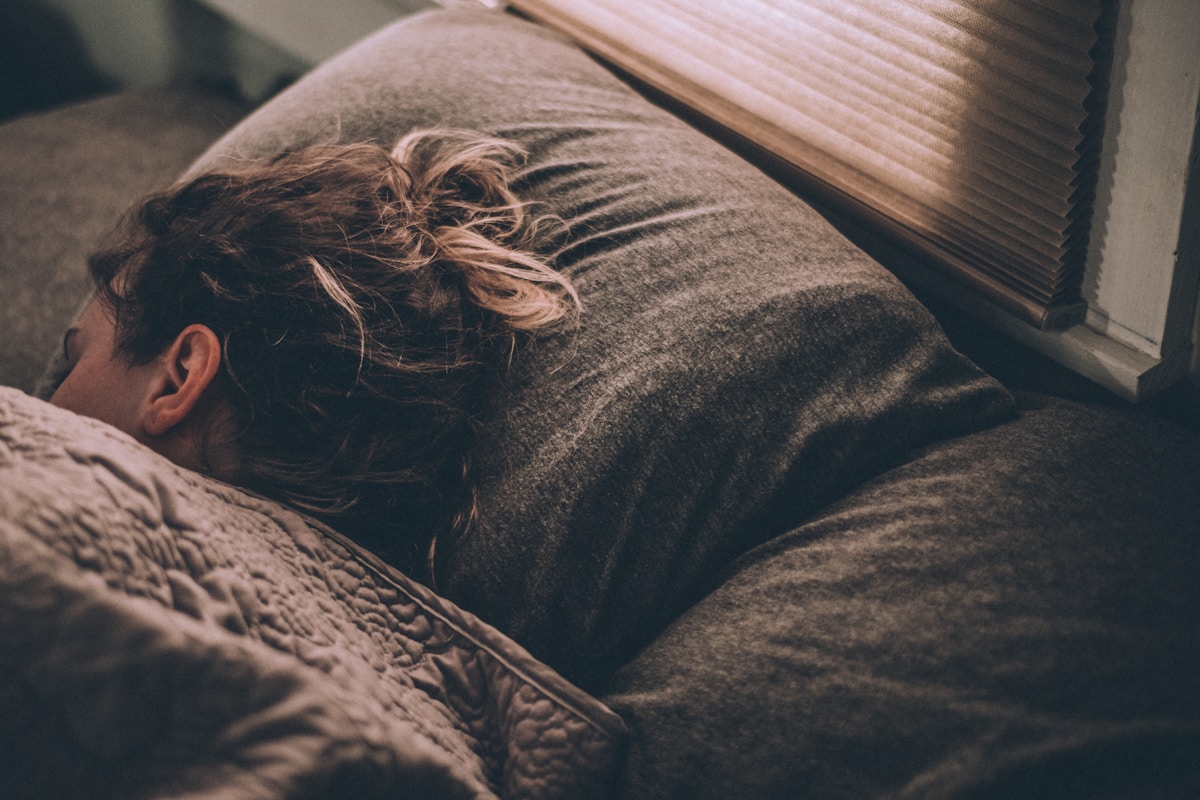
Progressive Muscle Relaxation, or PMR, is one of the most clinically validated sleep techniques available. Research from the University of Alabama found that PMR reduced sleep onset time by an average of 14 minutes in adults with chronic insomnia. That is a significant number.
The principle is simple: tension before release produces deeper relaxation than trying to relax directly. Your nervous system responds to contrast.
How to do it:
Starting at your feet, tense each muscle group firmly for five seconds, then release completely for 10 to 15 seconds. Work up your body in this order: feet, calves, thighs, glutes, abdomen, hands, forearms, upper arms, shoulders, neck, and face.
A full session takes 15 to 20 minutes. A shortened version covering just feet, thighs, abdomen, shoulders, and face takes about eight minutes and is practical for nightly use. Do this in bed, in the dark, with no screens. By the time you reach your face, most people are already drifting.
Method 3: The 4-7-8 Breathing Protocol

Your breathing pattern directly controls your nervous system state. Extended exhale breathing shifts you from sympathetic (fight or flight) to parasympathetic (rest and digest) faster than almost anything else you can do in the moment.
Studies confirm that slow-paced breathing with extended exhalation reduces sleep onset time, lowers heart rate, and shifts heart rate variability toward parasympathetic dominance. In plain language: it calms your nervous system on command.
How to do it:
Place the tip of your tongue against your upper front teeth and keep it there throughout. Exhale completely through your mouth. Close your mouth and inhale through your nose for a count of four. Hold your breath for a count of seven. Exhale completely through your mouth for a count of eight. That is one cycle. Do four cycles.
The ratio matters more than the timing. The long exhale is the key. If the 4-7-8 count feels too long at first, try 4-5-6. Build up over time. The mechanism is CO2 regulation and vagal activation, and it works whether or not you believe in it.
Method 4: The Warm Shower or Bath Strategy

This one surprises most people. A warm shower or bath does not help you sleep because it relaxes you in the moment. It helps you sleep because of what happens after.
A meta-analysis published in Sleep Medicine Reviews found that passive body heating one to two hours before bed reduces sleep onset by an average of 10 minutes and meaningfully improves sleep quality. The mechanism is core body temperature drop. When you get out of warm water, your blood vessels dilate and your core temperature falls. That temperature drop mimics the natural cooling your body does to initiate sleep. You're essentially triggering your thermoregulation system into starting the sleep process early.
The timing matters. One to two hours before bed is the window. Too close to sleep and your core temperature is still elevated, which delays onset instead of accelerating it. Ten minutes in warm water is enough. This is not a long bath protocol. It's a temperature trigger.
Method 5: Fix Your Sleep Environment in 10 Minutes
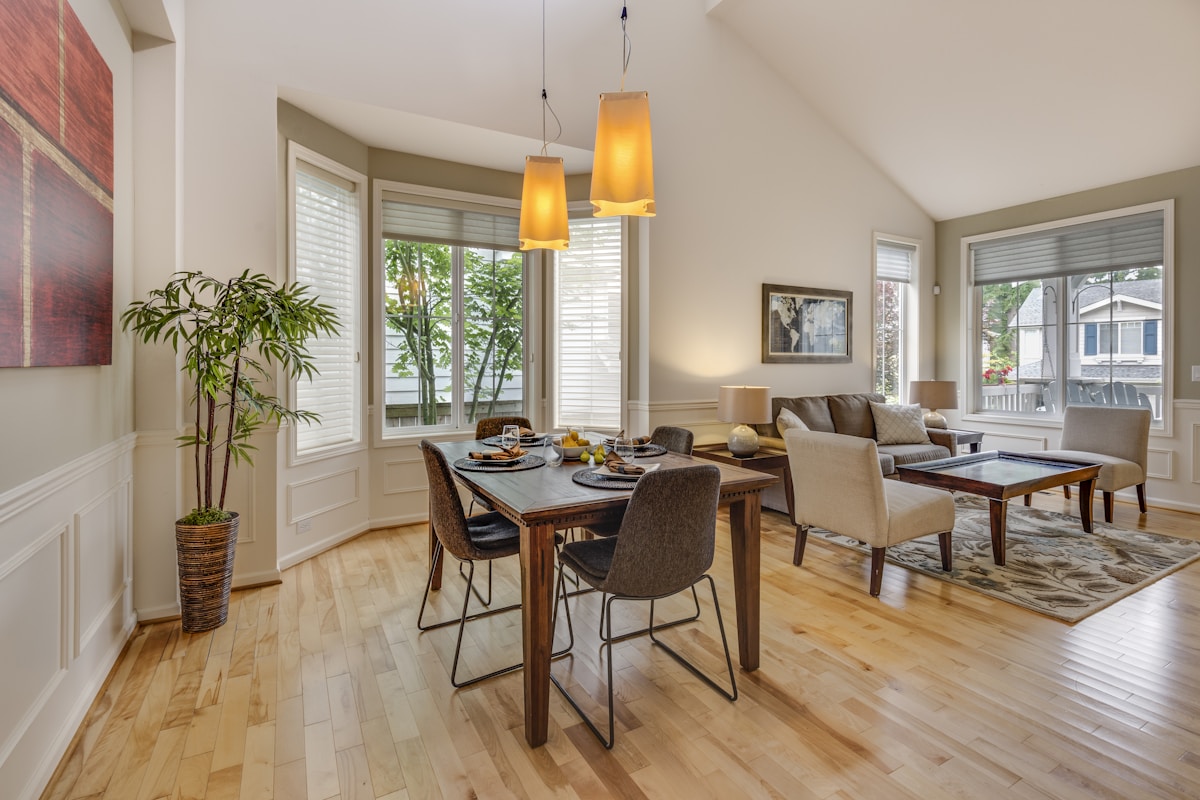
Your bedroom environment is either working for you or against you. For most people over 35 who struggle to fall asleep, it's quietly working against them in two or three specific ways.
Temperature. The ideal sleep environment is 65 to 68 degrees Fahrenheit. Your body needs to drop its core temperature by one to two degrees to initiate sleep. A warm room fights that process directly. This is one of the most consistent findings in sleep research and one of the most consistently ignored.
Light. Any light exposure, including a streetlight through thin curtains, a charging indicator on your phone, or a clock display, can suppress melatonin and fragment your sleep architecture. Blackout curtains are not a luxury. For adults over 35 with already-declining melatonin, eliminating light sources is one of the highest-leverage environmental fixes available.
Noise. What wrecks sleep is not volume but inconsistency. Sudden sounds trigger micro-arousals that pull you out of deep sleep without fully waking you. A consistent sound environment, whether that's a fan, white noise machine, or true silence, matters more than the specific type.
These three factors combined can cut 20 to 30 minutes off your time to sleep without any behavior change. The environment does the work.
Method 6: Cognitive Shuffling
This one is newer, and it works unusually well for the analytical brain types who cannot stop processing at bedtime.
Developed by cognitive scientist Dr. Luc Beaudoin, cognitive shuffling mimics the random, fragmented thought patterns that naturally occur as the brain transitions into sleep. When you fall asleep naturally, your brain produces images and thoughts that are unconnected and slightly nonsensical. Cognitive shuffling recreates that state deliberately, signaling to your brain that it is safe to let go.
How to do it:
Think of a random word with at least five letters. For each letter, visualize random, unconnected objects that start with that letter. The word "sleep" works well. For S, picture a star, a sandwich, a sailboat. For L, picture a lemon, a ladder, lightning. Keep going, letter by letter, with images that have no logical connection to each other. Do not create a story. Just drift from one image to the next with no thread between them.
This occupies the planning and analytical parts of your brain just enough to stop the mental loop, while being meaningless enough to let the sleep transition proceed. Research shows most practitioners fall asleep within 5 to 15 minutes.
Method 7: The Paradoxical Intention Technique
This is the counterintuitive one. And it is backed by solid clinical research.
Paradoxical intention means you deliberately try to stay awake. Lie in bed, keep your eyes open, and gently try to stay conscious without doing anything stimulating. No phone. No TV. No reading. Just lie there and try to stay awake.
This works because sleep effort is one of the primary drivers of insomnia. The harder you try to fall asleep, the more alert your nervous system becomes. Removing that effort by shifting your intention to staying awake reduces the performance anxiety that keeps the brain activated. Sleep comes in through the back door.
Studies show paradoxical intention significantly reduces sleep onset anxiety and time-to-sleep in people who describe themselves as trying too hard to fall asleep. If you have ever noticed that you fall asleep fastest when you're not trying, like during a movie or a long meeting, you already understand exactly how this works.
How to Stack These for Maximum Effect
You do not need all seven every night. Pick two or three and build them into a consistent pre-sleep sequence. Consistency matters more than complexity. Here's a practical 20-minute stack that works for most of my clients:
8:30 PM - Warm shower (10 minutes, one to two hours before target sleep time).
9:15 PM - Dim the lights. No screens. Cool the room to 65 to 68 degrees.
9:45 PM - In bed, do four cycles of 4-7-8 breathing.
9:50 PM - Start the Military Technique body scan, or cognitive shuffling if your brain is still active.
10:00 PM - You should be asleep.
The sequence works because each step progressively shifts your nervous system from sympathetic to parasympathetic. You're not trying to fall asleep at 10:00 PM. You're building the conditions for sleep to happen on its own starting at 8:30.
The One Thing That Undermines All of This
Every technique above works on the input side: getting your nervous system calm, your environment right, and your brain signaling sleep. But there's an output problem that none of them fix.
If your sleep architecture is fragmented, if you're not getting enough slow-wave sleep, your recovery is incomplete regardless of how fast you fall asleep. Growth hormone releases during deep slow-wave sleep. Cellular repair happens during deep slow-wave sleep. Muscle protein synthesis from all the training and nutrition you're doing happens during deep slow-wave sleep.
Falling asleep faster gets you in the door. Deep sleep is what you came for.
Vybrant Sleep was built specifically to support the slow-wave stages that most sleep supplements ignore. The formula includes SOMATO Phyto-Melatonin, Tart Cherry Extract, L-Theanine, and Passion Flower, all working together to deepen sleep quality, not just initiate it. If you're doing everything right on the front end and still waking up flat, the depth of your sleep is the missing piece.
Try Vybrant Sleep risk-free with our 30-day money-back guarantee.
FAQ
How long should it take to fall asleep? The normal range is 10 to 20 minutes. If you're regularly falling asleep in under five minutes, you may be sleep-deprived rather than a fast sleeper. If you're over 30 minutes most nights, that's worth addressing systematically.
Does melatonin help you fall asleep faster? For most people with onset insomnia, melatonin is not the primary fix. It helps with circadian misalignment like jet lag or shift work, but does not reliably accelerate sleep onset in people with chronically elevated evening cortisol. The techniques above address the root cause more directly.
Why can't I fall asleep even when I'm exhausted? This is the cortisol-melatonin conflict. Your brain registers physical fatigue, but elevated stress hormones override the sleep signal. Breathing techniques, body temperature manipulation, and nervous system downregulation address this directly.
Is it bad to take a long time to fall asleep? Chronically long sleep onset, consistently over 30 minutes, is associated with poorer sleep quality, reduced deep sleep, and higher daytime fatigue. It's worth fixing, and it is fixable with the methods above.
What is the fastest way to fall asleep? The Military Technique consistently produces the fastest results for most people, especially when combined with 4-7-8 breathing as a lead-in. Expect two to three weeks of practice before it becomes automatic.
About Joshua Haag
Joshua Haag is a master trainer, certified nutritionist, and founder of Heroic Performance and Vybrant. With over 20 years in the health and wellness space, Josh is the coach people find when surgery and PT have not solved the problem. He specializes in spine and shoulder rehab, corrective exercise, and functional movement, and brings a uniquely broad background to every client: classically trained chef, certified nutritionist, former professional athlete, and returning lecturer at Perform Better. Based in Los Angeles, he offers in-home personal training through Heroic Performance and created Vybrant, a clean supplement and lifestyle brand built around sleep, recovery, and longevity.

