

Nobody tells you it's happening. That's the problem.
There is no alarm. No injury. No single moment where you realize something changed. Just a slow, quiet process that starts in your mid-30s and accelerates every decade if you do not actively fight it.
It is called sarcopenia. And in my 20-plus years of coaching men, it is the most underestimated threat to long-term health, performance, and quality of life that I see walk through my door.
By the time most men notice it, they have already lost a meaningful amount. And by the time they decide to do something about it, they are usually also dealing with the downstream effects: slower metabolism, more body fat, weaker joints, lower testosterone, reduced energy, and a body that does not respond to training the way it used to.
What Is Sarcopenia

Sarcopenia is the age-related loss of skeletal muscle mass, strength, and function. Not just a cosmetic issue. A clinical condition with serious downstream consequences for metabolic health, hormonal function, injury risk, and longevity.
- Muscle mass peaks in your late 20s to early 30s
- Decline begins around age 30 to 35, typically at 3 to 5 percent per decade
- After 50, that rate can accelerate to 1 to 2 percent per year without intervention
- By age 70, many sedentary men have lost 30 to 40 percent of their peak muscle mass
Read that last line again. Thirty to forty percent. That is a fundamentally different body. Low muscle mass is independently associated with increased all-cause mortality, cardiovascular disease risk, insulin resistance, cognitive decline, depression, and fall risk.
Muscle is not just about looking good. It is a metabolic organ. A longevity asset. Losing it quietly is one of the most consequential things that can happen to a man's long-term health.
Why It Happens Earlier Than You Think
Declining testosterone. Starts dropping around 30 to 35 at roughly 1 percent per year. By 45, many men are 10 to 15 percent below their peak. Lower testosterone means your body is less efficient at building and maintaining muscle.
Anabolic resistance. After 35, your muscles become less responsive to protein. An older man may need 35 to 40 grams per meal to get the same anabolic response a younger man gets from 20 grams.
Reduced sleep quality. Growth hormone is released primarily during deep slow-wave sleep. After 35, deep sleep naturally decreases. Chronically disrupted sleep directly impairs the hormonal environment that maintains muscle tissue.
Chronic stress and high cortisol. Cortisol suppresses testosterone, accelerates muscle protein breakdown, and impairs sleep quality. The feedback loop is vicious and runs quietly in the background for most high-functioning men in their 30s and 40s.
Insufficient protein. Target 0.7 to 1.0 grams per pound of body weight daily. Most men are nowhere near that. The old 0.8g per kilogram recommendation was set to prevent deficiency, not support performance or longevity.
Sedentary behavior. Muscle is maintained by mechanical load. Cardio does not prevent sarcopenia. Resistance training does.
What You Actually Lose When You Lose Muscle
Metabolic rate drops. Each pound of muscle burns roughly 6 calories per day at rest. Lose 10 pounds of muscle and your metabolism burns 60 fewer calories per day, adding roughly 6 pounds of fat per year even if you eat the same.
Insulin sensitivity declines. Skeletal muscle is the primary site of glucose uptake. Less muscle means more risk for type 2 diabetes.
Testosterone production falls further. Low testosterone accelerates muscle loss. Muscle loss worsens the hormonal environment. The loop tightens.
Joint integrity suffers. Muscle is the primary shock absorber. When it weakens, joints absorb forces they were not designed to handle alone.
How to Fight Back: The Non-Negotiables
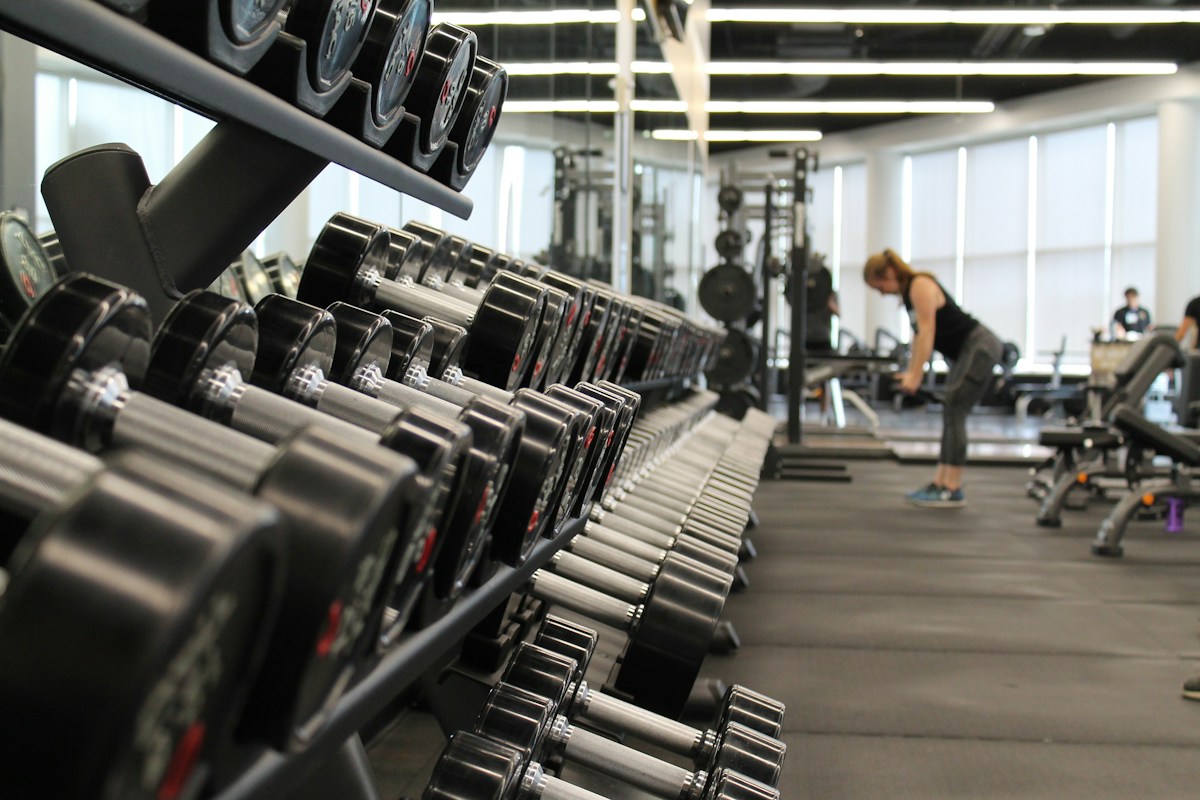
Sarcopenia is not inevitable. The research on resistance training and older adults is among the most consistent in all of exercise science: you can rebuild muscle in your 40s, 50s, and beyond. The window does not close.
Resistance training, 3 to 4 days per week. Compound movements: squats, hinges, presses, rows, carries. Progressive overload over time. The body adapts to what it is asked to do. If the ask never increases, the adaptation stops.
Protein, every single day. 0.7 to 1.0 grams per pound of body weight. Minimum 35 to 40 grams per meal. Do not under-eat on rest days.
Sleep, protected aggressively. Seven to nine hours. Growth hormone, testosterone, and IGF-1 are all produced or regulated during sleep. Shortchange sleep and you shortchange the entire anabolic environment.
Cortisol, managed intelligently. The men who respond best to training after 35 are not the ones grinding the hardest. They are the ones managing their recovery the most intelligently.
Do Not Skip Mobility and Structural Work

You cannot build muscle in a body constantly managing injury. Maintaining mobility, correcting movement patterns, and addressing postural imbalances keeps you training consistently for the long term. Structural integrity is part of the performance equation.
What to Track
- Body composition via DEXA or InBody annually. The scale does not distinguish muscle from fat.
- Grip strength as a practical proxy for overall muscle function.
- Resting heart rate trends as an indicator of recovery quality.
- Bloodwork annually including testosterone, SHBG, vitamin D, magnesium, and fasting insulin.
The Honest Truth About Timing
The best time to start addressing sarcopenia was your early 30s. The second best time is right now. Muscle loss is quiet. It does not announce itself. But it is predictable, measurable, and very responsive to the right intervention.
The difference between a man who took his muscle seriously at 38 and one who did not shows up very clearly at 55. And even more clearly at 65.
Start now.
FAQ
At what age does muscle loss become significant? The process begins around 30 to 35 and accelerates meaningfully after 50 without intervention.
Can you rebuild lost muscle after 40? Yes. The research is clear. The process is slower and requires more precise nutrition and recovery, but the adaptation is real.
Is cardio enough to prevent muscle loss? No. Resistance training is required.
How important is sleep for muscle maintenance? Critical. Chronically poor sleep is one of the most direct accelerants of muscle loss in men over 35.
Muscle is built during sleep. The deep sleep stages where growth hormone pulses and protein synthesis peaks are where real adaptation occurs. If your sleep is shallow or fragmented, your body is not finishing the job your training started. Vybrant Sleep supports the deep, restorative sleep stages that make every training session more effective. Try it risk-free with our 30-day money-back guarantee.
About Joshua Haag
Joshua Haag is a master trainer, certified nutritionist, and founder of Heroic Performance and Vybrant. With over 20 years in the health and wellness space, Josh is the coach people find when surgery and PT have not solved the problem. He specializes in spine and shoulder rehab, corrective exercise, and functional movement, and brings a uniquely broad background to every client: classically trained chef, certified nutritionist, former professional athlete, and returning lecturer at Perform Better. Based in Los Angeles, he offers in-home personal training through Heroic Performance and created Vybrant, a clean supplement and lifestyle brand built around sleep, recovery, and longevity.

