

Most people know they need more protein. Almost nobody is actually hitting their target. And the gap between knowing and doing is costing them muscle, metabolism, and results.
After 20 years of coaching adults over 35, I can tell you the number one nutritional failure I see is not eating too much. It is not eating the wrong foods. It is consistently under-eating protein while overcomplicating every other aspect of diet.
The target after 35 is 0.7 to 1.0 grams of protein per pound of body weight daily. For a 160-pound person that is 112 to 160 grams every single day. Most people are hitting 60 to 80 grams and wondering why they are losing muscle, why their metabolism feels sluggish, and why nothing in the gym is changing the way it used to.
The solution is not a new diet. It is smarter daily habits that stack protein without requiring you to think about it every meal. These are the cheat codes I give my clients. They work because they fit into a real life.
First: Why the Target Is Higher After 35 Than You Think
After 35, your muscles develop what researchers call anabolic resistance. Your cells become less responsive to protein. A 25-year-old can trigger meaningful muscle protein synthesis from 20 grams of protein at a meal. You need 35 to 40 grams to get the same anabolic signal. The mechanism still works. The threshold is just higher.
This means two things. First, your total daily protein target is genuinely higher than the general population guidelines suggest. The old 0.8 grams per kilogram recommendation was set to prevent deficiency, not to support muscle preservation, recovery, or body composition in an active adult over 35. Second, how you distribute that protein across your day matters as much as the total. Three meals with 40 grams each is meaningfully better than one meal with 100 grams and two meals with 10. Your muscles can only use so much at once. Give them a reliable supply throughout the day.
Your Personal Protein Target
Find your personal daily protein target right now
Enter your weight and see exactly what you need — broken down by meal
Select your sex and enter your body weight in pounds:
The Big Protein Reference List: Grams Per Ounce
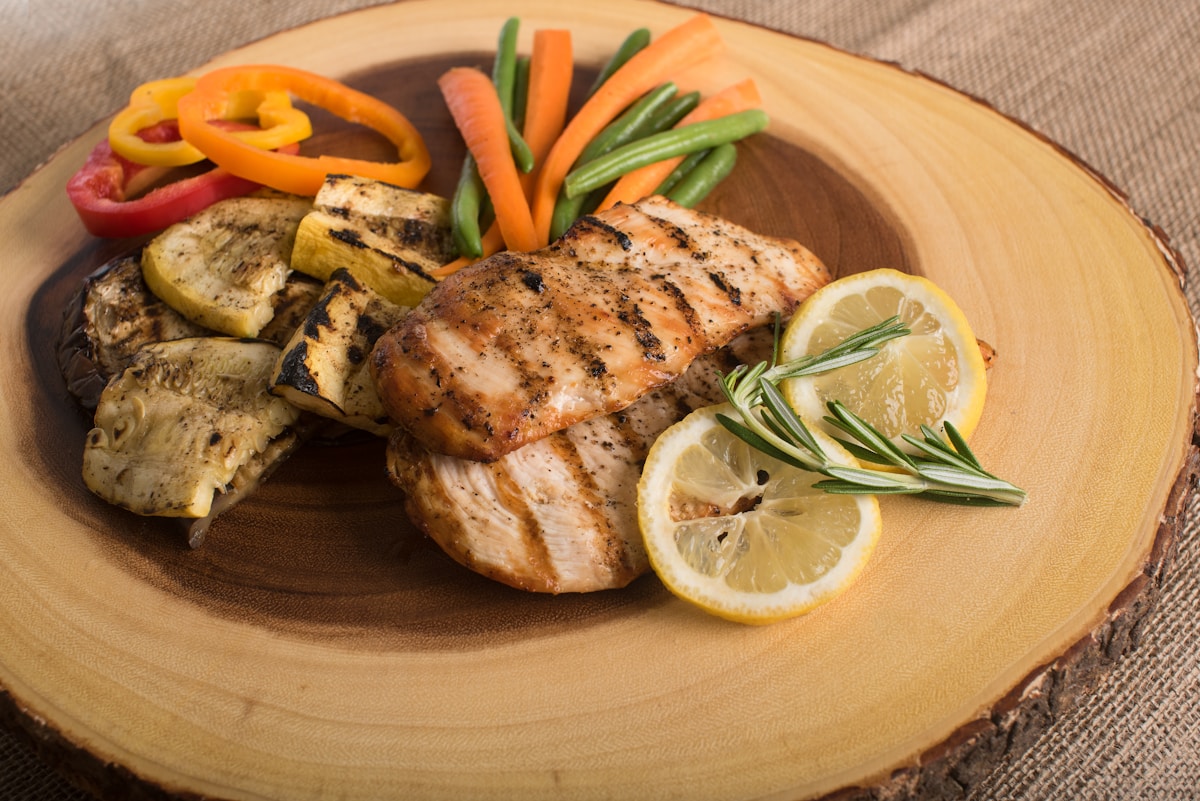
Not all protein sources are created equal. Here is your definitive cheat sheet ranked by protein density, organized by tier. Use this to build meals, plan your week, and make smarter choices at the grocery store. All values are per ounce of cooked or ready-to-eat weight unless noted.
Tier 1 — Elite Density (8g+ per oz)
| Food | g Protein / oz | Notes |
|---|---|---|
| Chicken breast (cooked) | 9g | Lean, versatile, the gold standard |
| Turkey breast (cooked) | 9g | Leaner than chicken thigh, pairs with anything |
| Tuna, canned in water | 8.5g | Ready to eat, zero prep, omega-3 bonus |
| Shrimp (cooked) | 8.5g | Low fat, high protein, fast to cook |
| NY strip steak (cooked) | 8.5g | High leucine, creatine, zinc — muscle triple threat |
| Sirloin steak (cooked) | 8.5g | Leaner cut, still high protein density |
| Pork tenderloin (cooked) | 8.5g | Leanest cut of pork, underrated protein source |
| Whey protein powder | ~20g per scoop | Fast-digesting, high leucine, best post-workout |
| Casein protein powder | ~24g per scoop | Slow-digesting, ideal pre-bed, sustained amino release |
Tier 2 — Strong Performers (6–8g per oz)
| Food | g Protein / oz | Notes |
|---|---|---|
| Salmon (cooked) | 7.5g | High omega-3, anti-inflammatory, heart healthy |
| Ground beef 90% lean (cooked) | 7.5g | Versatile, high leucine and creatine content |
| Ground chuck 80/20 (cooked) | 7g | More fat, still solid protein, great flavor |
| Boneless pork chops (cooked) | 7.5g | Affordable, easy to prep in bulk |
| Pork loin (cooked) | 7.5g | Lean, budget-friendly, meal-prep staple |
| Sardines in olive oil | 7g | Omega-3 powerhouse, zero prep, underrated |
| Canned salmon | 7g | Same nutrition as fresh salmon, fraction of the cost |
| Rotisserie chicken (white meat) | 7.5g | The ultimate ready-to-eat protein hack |
| Tilapia (cooked) | 7.5g | Very lean, mild flavor, cheap |
| Cod (cooked) | 7g | Lean white fish, nearly zero fat |
| Smoked ham hock (meat only) | 6.5g | Great in soups and slow-cook dishes |
| Whole eggs | 6g (per egg) | Complete amino acid profile, high leucine |
| Egg whites | 3.6g per oz | Pure protein, use to boost eggs without extra fat |
Tier 3 — Solid Support (3–6g per oz)
| Food | g Protein / oz | Notes |
|---|---|---|
| Greek yogurt (plain, full fat) | 3g | 17–20g per 6oz serving, slow-digesting casein |
| Cottage cheese (full fat) | 3.5g | 14g per half cup, slow casein, the pre-bed MVP |
| Hard cheese (cheddar, gouda) | 7g | Calorie-dense but high protein per oz |
| Parmesan (grated) | 10g | Highest protein density of any cheese |
| Tempeh | 5g | Best plant-based protein density, fermented |
| Edamame (shelled) | 4g | Complete plant protein, convenient snack |
| Lentils (cooked) | 2.5g | Good fiber, incomplete protein — pair with animal source |
| Black beans (cooked) | 2.3g | Good fiber, incomplete protein — use as a side not an anchor |
| Tofu (firm) | 2.5g | Complete plant protein, low calorie density |
| Beef jerky | 13g | Dehydrated = concentrated protein, watch sodium |
| Deli turkey breast (low sodium) | 5g | Quick grab, watch for fillers and sodium |
| String cheese | 6g per stick | Easy portable protein, underrated snack |
| Peanut butter | 4g | High calorie, incomplete protein — use as a supplement not an anchor |
| Almonds | 6g | High calorie, incomplete — good fat source, not protein anchor |
Source: USDA FoodData Central. Values based on cooked or ready-to-eat weight per ounce.
The 10 Protein Cheat Codes
1. Anchor Every Meal With Protein First
Before you decide anything else about a meal, decide the protein source. Not the carbs. Not the vegetables. Not the sauce. The protein. Build everything else around it. This single habit shift changes the entire architecture of your daily intake because it makes protein the non-negotiable instead of the afterthought.
2. The Greek Yogurt Swap
Anywhere regular yogurt, sour cream, or mayo appears in your routine, swap it for full-fat Greek yogurt. Regular yogurt runs 5 to 8 grams of protein per serving. Greek yogurt runs 15 to 20 grams for the same volume. Do it every day and you have added 70 to 100 grams of protein to your week without changing anything else.
3. The Cottage Cheese Trick
Half a cup is 14 grams of slow-digesting casein protein. It has almost no flavor on its own, which means it absorbs into almost anything. Mix it into scrambled eggs, blend it into a smoothie, use it as a savory bowl base. Your muscles do not care how it gets there.
4. The Rotisserie Chicken Hack
A store-bought rotisserie chicken contains roughly 100 grams of protein. Buy one at the start of the week. Pull it apart and store the meat in a container. Ready-to-eat protein for four days with zero cooking. This is the single highest-leverage weekly prep move I give busy clients.
5. Double Your Eggs
If you eat two eggs, eat four. Each egg is 6 grams of protein and high leucine content. The difference between two eggs and four eggs is 12 grams of protein and 30 seconds of extra cooking time. Over a month that is 360 additional grams of protein you did not have to plan for.
6. Liquid Protein Between Meals
The gap between lunch and dinner is where most people's protein intake collapses. A protein shake with 25 to 30 grams takes 90 seconds to make and fills the gap without requiring hunger or preparation. Not a replacement for food. A bridge that keeps amino acid levels up between real meals.
7. The Canned Fish Move
A can of tuna is 25 grams of complete protein. A can of sardines in olive oil is 23 grams plus omega-3s. Keep four cans in your desk, gym bag, or office kitchen. No refrigeration. No prep. When you hit a gap and have no protein source within reach, this is your emergency deploy.
8. Front-Load Your Eating Window
Your muscles are most sensitive to protein in the morning and afternoon. Insulin sensitivity is highest earlier in the day. Make breakfast your most protein-dense meal. Aim for 40 grams before noon. Four eggs plus Greek yogurt gets you there before you leave the house.
9. The Pre-Bed Casein Hack
Your body fasts for seven to nine hours overnight. Twenty to thirty grams of casein protein or cottage cheese 30 to 60 minutes before bed feeds muscle protein synthesis through the night. Research consistently shows pre-sleep protein improves overnight muscle synthesis and next-day recovery.
10. Track for One Week, Then Stop
Most people assume they are hitting their protein target. They are almost never hitting it. Track everything you eat for one week. Not forever. Just long enough to see the real gap. In 20 years of coaching I have never had a client complete honest tracking and not discover they were significantly under target. Once you see it, you know exactly what to fix.
How to Stack These Into a Real Day
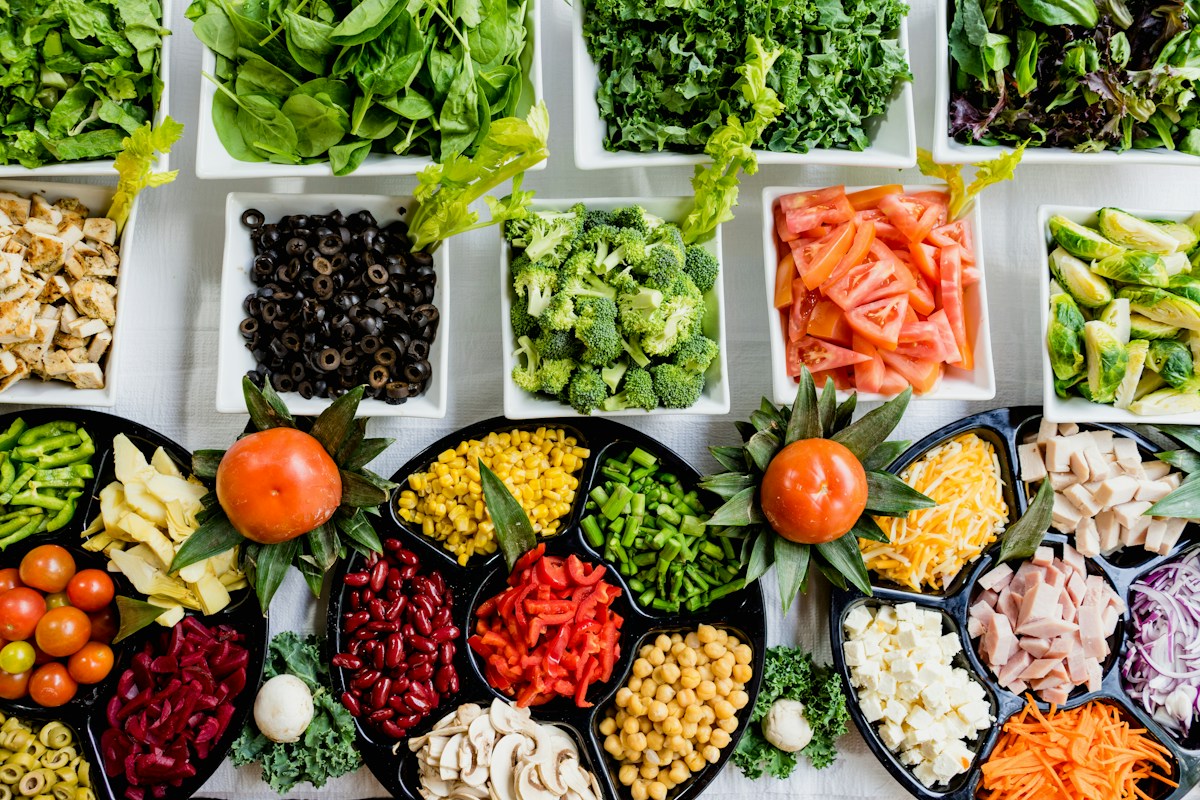
Breakfast: Four scrambled eggs mixed with half a cup of cottage cheese, Greek yogurt with berries on the side. Total: ~55g protein. Time: 8 minutes.
Lunch: Rotisserie chicken on a salad with olive oil and vegetables. Total: ~45g protein. Time: 4 minutes.
Afternoon: Protein shake or a can of tuna. Total: ~25g protein. Time: 90 seconds.
Dinner: Salmon fillet or NY strip with roasted vegetables. Total: ~40g protein. Time: 20 minutes.
Pre-bed: Greek yogurt or cottage cheese with casein stirred in. Total: ~30-35g protein. Time: 2 minutes.
Daily total: approximately 195 to 200 grams. No Sunday meal prep. No weighing. No complicated recipes. Just stacking the cheat codes.
The One Thing That Makes All of This Work
Protein does its job during the day. Sleep is when the payoff happens. Growth hormone pulses during deep slow-wave sleep. Muscle protein synthesis peaks. The amino acids you consumed all day get directed toward tissue repair and muscle building. If your sleep is shallow or fragmented, you are running a full protein protocol and collecting a fraction of the benefit. The cheat codes above handle the input side. Protecting your sleep handles the output side. You need both.
FAQ
How much protein do I actually need after 35? Women: 0.8 to 1.0 grams per pound of body weight daily. Men: 1.0 to 1.25 grams per pound. Use the lower end on less active days, the higher end on training days.
Does protein timing actually matter? Yes. Aim for minimum 35 to 40 grams per meal spread across three to four meals. A single large protein meal does not produce the same anabolic effect as consistent protein distribution throughout the day.
Is a protein shake the same as food protein? For muscle protein synthesis purposes, high-quality whey or casein produces similar anabolic responses to whole food protein. Shakes fill gaps, not replace food-based foundations.
Can I eat too much protein? For healthy adults without kidney disease, research consistently shows that high protein intake within the ranges described is safe and beneficial.
What is the best protein source for building muscle after 35? Complete proteins with high leucine content: eggs, chicken, beef, fish, dairy. Leucine is the amino acid that most directly triggers muscle protein synthesis and the threshold required increases with age.
You spent the day stacking protein. Now give your body the sleep it needs to use it. Growth hormone, muscle protein synthesis, and recovery all peak during deep slow-wave sleep. If your sleep is broken, your protein effort is producing half the results it should. Vybrant Sleep supports the deep, restorative sleep stages where your body actually builds what your protein intake made possible. Try it risk-free with our 30-day money-back guarantee.
About Joshua Haag
Joshua Haag is a master trainer, certified nutritionist, and founder of Heroic Performance and Vybrant. With over 20 years in the health and wellness space, Josh is the coach people find when surgery and PT have not solved the problem. He specializes in spine and shoulder rehab, corrective exercise, and functional movement, and brings a uniquely broad background to every client: classically trained chef, certified nutritionist, former professional athlete, and returning lecturer at Perform Better. Based in Los Angeles, he offers in-home personal training through Heroic Performance and created Vybrant, a clean supplement and lifestyle brand built around sleep, recovery, and longevity.

