

Let me be real with you about something the pharmaceutical ads are not covering.
GLP-1 medications like Ozempic, Wegovy, and Mounjaro are genuinely impressive at one thing: getting the number on the scale to go down. Fast. And for a lot of people, that is exactly what they needed. I get it. I really do.
But here is what nobody in that conversation is talking about loudly enough: a big chunk of what you are losing is not fat. It is muscle. And unlike fat, muscle does not come back easily. Especially after 35. Especially without a real plan.
I am not here to tell you whether to take these medications or not. That is between you and your doctor. What I am here to tell you is what happens to your body when you do, and what you need to do about it. Because the drug does not come with a training and nutrition protocol. And it should.
What GLP-1 Drugs Actually Do to Your Body
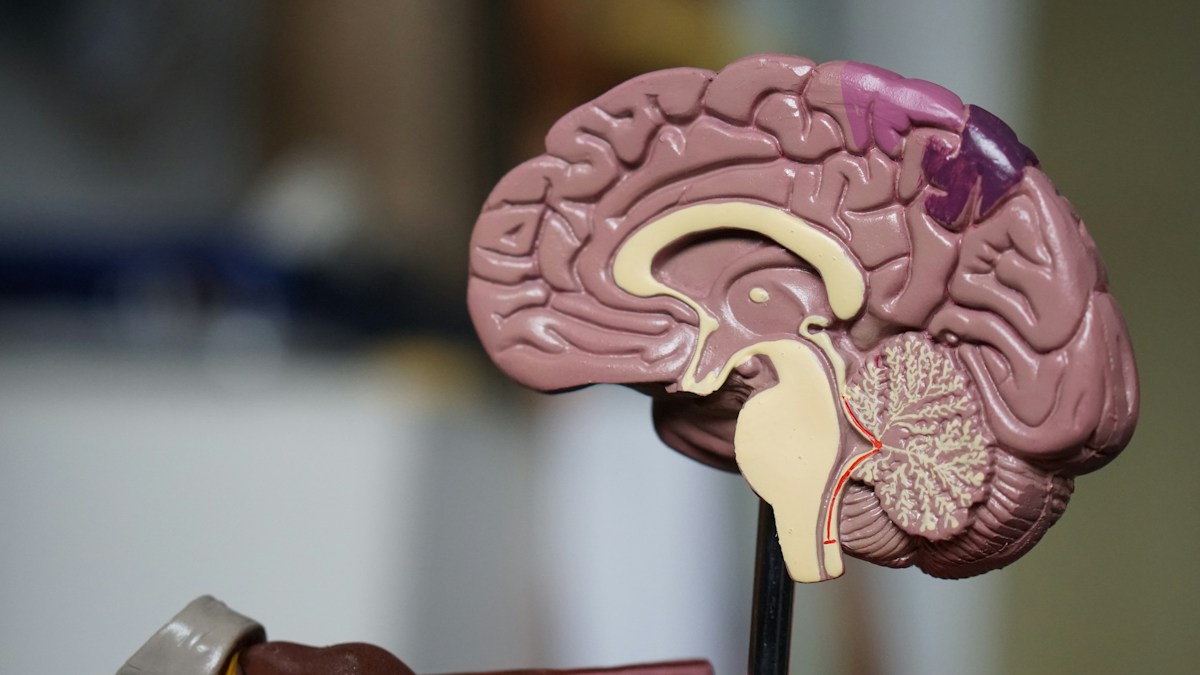
GLP-1 medications work by mimicking a hormone that tells your brain you are full. Your appetite drops dramatically. You eat significantly less. The weight comes off.
Here is the problem. Your body does not know the difference between intentional calorie restriction and starvation. When calories drop sharply and protein intake is not aggressively maintained, your body starts pulling fuel from wherever it can find it. That includes muscle.
Studies show that anywhere from 15 to 40 percent of the weight people lose on GLP-1 medications can come from lean mass, meaning muscle, bone, and organ tissue. Not fat. Lean mass. The stuff you actually want to keep.
For someone losing 50 pounds, that could mean losing 10 to 20 pounds of muscle alongside the fat. And here is why that matters: muscle loss at that scale does not just change how you look. It wrecks your metabolism, tanks your strength, accelerates joint deterioration, suppresses testosterone, and sets you up for significant fat regain the moment you stop the medication.
Brand new research out of Stanford Medicine, published just this month, found that GLP-1 drugs do not just reduce muscle mass. They actually reduce the regenerative capacity of the muscle itself. Meaning your muscles become worse at rebuilding after stress. That is not a cosmetic issue. That is a longevity issue.
Why This Hits Harder After 35
If you are in your 20s and you lose some muscle on a GLP-1, your body has a decent shot at rebuilding it when you ramp up training and eating again. Annoying, but recoverable.
If you are 40, 45, 50? The math changes completely.
After 35 your body is already experiencing anabolic resistance, which means your muscles are less responsive to protein and less efficient at building new tissue. Your testosterone is declining. Your growth hormone output during sleep is lower than it was a decade ago. And sarcopenia, the age-related loss of muscle mass, is already quietly running in the background.
Adding significant muscle loss on top of all of that is not just a setback. For some people it becomes the beginning of a physical decline they never fully reverse.
I have seen it. Clients who dropped 40 or 50 pounds on these medications and came to me looking smaller but softer, weaker in compound movements, with joint pain that was not there before, and metabolism so suppressed they were maintaining weight on 1,200 calories a day. That is not a win. That is a body that is running on fumes.
What You Need to Do If You Are on a GLP-1
Here is the good news. Muscle loss on GLP-1s is not inevitable. It is highly preventable when you have the right plan. This is exactly where a coach becomes worth every penny, because the drug suppresses your appetite but it does not tell your body what to prioritize. You have to do that with training and nutrition.
Non-Negotiable Number One: Resistance Training, Three to Four Days a Week
This is the most important thing on this list and it is not close. Resistance training sends the signal to your body that muscle is needed. Without that signal, your body has no reason to protect lean tissue while it is in a caloric deficit.
You do not need to train like a powerlifter. You need consistent, progressive resistance training that challenges your major muscle groups. Squats, deadlifts, rows, presses, carries. Compound movements that use the most muscle in the least amount of time. Three to four sessions per week minimum. This is what keeps the muscle on while the fat comes off.
Non-Negotiable Number Two: Protein First, Every Single Meal
When your appetite is suppressed, the temptation is to eat whatever sounds appealing in the small window when you are actually hungry. Nine times out of ten that is not grilled chicken and eggs. It is something light and easy and low protein.
Fight that instinct. Protein has to be the anchor of every meal, full stop. Your target on a GLP-1 should be 0.7 to 1.0 grams of protein per pound of body weight daily. For a 160-pound person that is 112 to 160 grams per day. Every single day, not just training days.
Minimum 35 to 40 grams per meal to actually trigger muscle protein synthesis after 35. A small Greek yogurt and some crackers is not a protein meal. Build around real protein sources: eggs, chicken, fish, beef, cottage cheese, protein shakes when needed. Food first. Supplement the gap.
Non-Negotiable Number Three: Protect Your Sleep
Growth hormone is released during deep sleep. It is one of the primary drivers of muscle protein synthesis and fat metabolism. If your sleep is shallow, fragmented, or under seven hours, you are working against the very hormonal environment that preserves muscle during weight loss.
People on GLP-1s sometimes experience disrupted sleep due to GI side effects, especially in the early adjustment phase. This is worth tracking. Because poor sleep plus caloric restriction plus reduced protein intake is a perfect storm for muscle loss.
Non-Negotiable Number Four: Do Not Let the Scale Run the Show
This is a mindset shift that matters more than most people realize. On GLP-1s the scale moves fast and it is satisfying. But scale weight tells you nothing about what you are losing. A pound of fat and a pound of muscle weigh the same. The scale does not care.
Track body composition, not just weight. If you have access to a DEXA scan or InBody assessment, use it every eight to twelve weeks while on the medication. You want to see fat going down and muscle holding steady or building. If lean mass is dropping, something in your training or nutrition needs to change immediately.
Also track performance. Are your lifts maintaining or improving? Are you getting stronger? Performance in the gym is one of the most reliable indicators that your muscle is being protected even when the scale is moving.
The Bigger Picture
GLP-1 medications are a tool. Like any tool, their value depends entirely on how they are used. Used alongside consistent resistance training, high protein intake, quality sleep, and smart programming, they can produce genuinely impressive body recomposition results. Used in isolation with no plan, they can strip away the muscle you spent years building and leave you in a worse metabolic position than when you started.
Your doctor prescribed the medication. That is their lane. Building and protecting your muscle, optimizing your body composition, and making sure the weight you lose is actually fat, not lean mass, that is a coach's lane.
If you are on a GLP-1 and nobody has talked to you about this yet, now you know. And knowing is step one.
FAQ
How much muscle do people actually lose on GLP-1 medications? Studies suggest 15 to 40 percent of total weight lost can come from lean mass when training and protein intake are not optimized alongside the medication.
Can you build muscle while on Ozempic or Wegovy? Yes. With consistent resistance training and adequate protein intake, many people maintain or even add muscle while losing fat on GLP-1s. The medication does not prevent muscle growth. Low protein and no training does.
Is it dangerous to do strength training on a GLP-1? Not at all, assuming you are cleared by your doctor and not training through significant nausea or fatigue during the adjustment period. Start conservatively, progress gradually, and prioritize compound movements.
What if my appetite is so suppressed I cannot hit my protein targets? Liquid protein sources become very useful here. Protein shakes, Greek yogurt, cottage cheese, and bone broth are all easier to get down when appetite is low. Prioritize protein above all other macros in every eating window you have.
One more thing your body needs on a GLP-1: real sleep. Deep sleep is when growth hormone does its job protecting your muscle during weight loss. If your sleep is broken, your muscle preservation is too. Vybrant Sleep supports the deep, restorative sleep stages that keep your hormonal environment working for you, not against you. Try it risk-free with our 30-day money-back guarantee.
About Joshua Haag
Joshua Haag is a master trainer, certified nutritionist, and founder of Heroic Performance and Vybrant. With over 20 years in the health and wellness space, Josh is the coach people find when surgery and PT have not solved the problem. He specializes in spine and shoulder rehab, corrective exercise, and functional movement, and brings a uniquely broad background to every client: classically trained chef, certified nutritionist, former professional athlete, and returning lecturer at Perform Better. Based in Los Angeles, he offers in-home personal training through Heroic Performance and created Vybrant, a clean supplement and lifestyle brand built around sleep, recovery, and longevity.

