

There is a system in your body that controls everything. Your sleep. Your hormones. Your ability to recover from training. Your digestion. Your fat storage. Your mood. Your immune function. And for most adults over 35 living a modern life, that system is stuck in the wrong setting.
It is called the autonomic nervous system. And after 20 years of coaching people, I can tell you with confidence: it is the most overlooked variable in health and performance conversations. More than protein. More than training programs. More than sleep supplements.
Because none of those things work the way they should when your nervous system is chronically stuck in survival mode.
The Global Wellness Summit just named nervous system regulation the number one wellness trend of 2026. Not because it is new science. Because people are finally realizing it is the missing piece behind every plateau, every stubborn symptom, and every "I am doing everything right and still feel terrible" conversation that fills my inbox every week.
This is the breakdown you actually need.
What the Autonomic Nervous System Actually Does
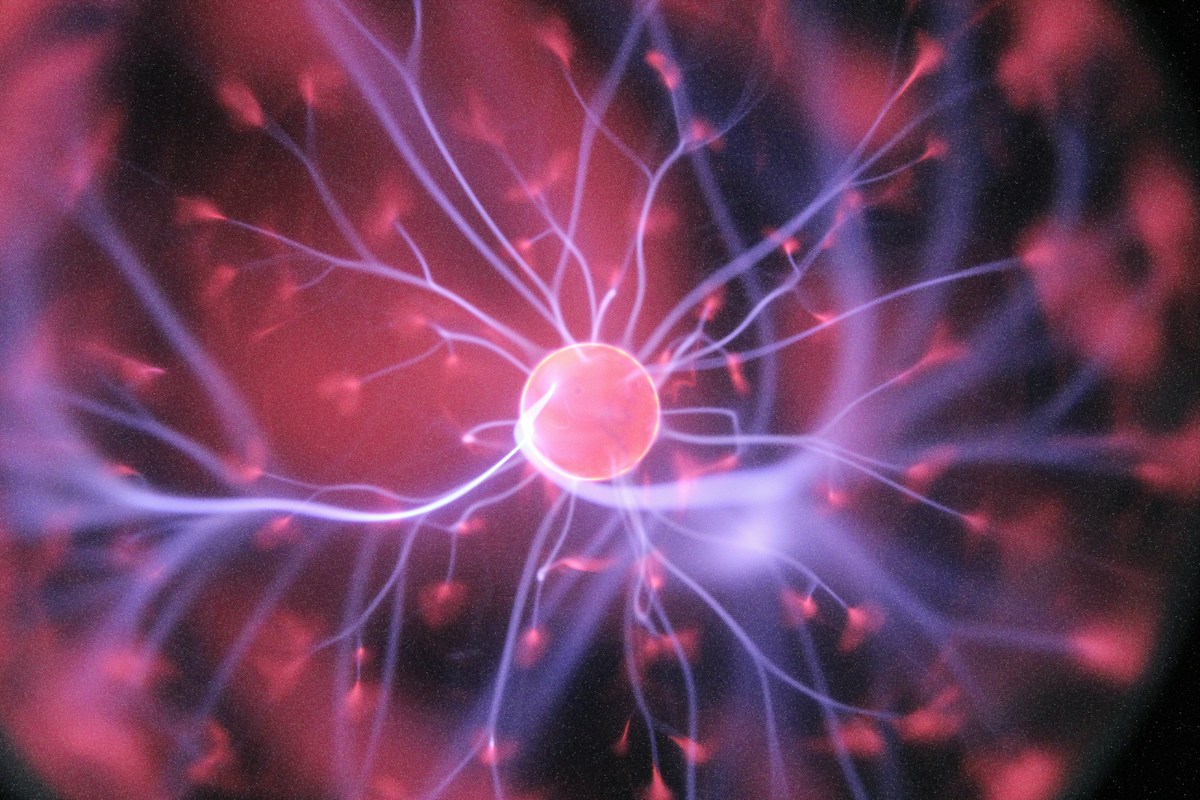
Your autonomic nervous system runs everything your body does automatically, meaning without conscious thought. Heart rate. Breathing. Digestion. Hormone release. Immune response. Blood pressure. Inflammation. Tissue repair. All of it.
It operates through two branches that are supposed to balance each other:
The sympathetic nervous system is your accelerator. It is your fight-or-flight response. When it activates, cortisol and adrenaline flood your system. Heart rate spikes. Blood moves to your muscles. Digestion slows. Inflammation rises. Non-essential functions like tissue repair, immune activity, and reproductive hormones get dialed down. This is brilliant in a genuine emergency. It is catastrophic when it never turns off.
The parasympathetic nervous system is your brake. Rest and digest. It is where recovery happens. Tissue is repaired. Hormones are produced. Digestion functions properly. Inflammation settles. Sleep does its job. Muscle protein synthesis peaks. Growth hormone is released. Every adaptation from every training session you have ever done is processed and collected here.
The problem for most high-functioning adults after 35 is this: the sympathetic system is chronically dominant. Not dramatically, explosively dominant. Quietly, persistently, low-grade dominant. And that low-grade sympathetic overdrive is silently sabotaging almost everything you are trying to build.
How You Get Stuck in Sympathetic Overdrive
The sympathetic nervous system was designed for acute threats. A predator. A physical danger. A short-term crisis that resolves. Modern life has replaced those short-term threats with something the nervous system is far less equipped to handle: chronic, low-grade, relentless pressure that never fully resolves.
Demanding careers. Financial stress. Parenting. Relationship load. Screen exposure that keeps the brain in a constant state of alert. News cycles designed to trigger threat responses. A culture that rewards busyness and treats rest as laziness.
None of these are dramatic emergencies. But your nervous system processes them the same way it would a physical threat. Cortisol stays elevated. The system stays in a low-level ready state. The brake never gets fully applied. And after months or years of this, the system loses its range of motion. It becomes harder to genuinely downshift even when the opportunity is there.
You know this feeling. You get into bed exhausted, and your mind will not stop. You take a day off from training and still feel wired and anxious instead of rested. You are tired but cannot sleep deeply. You react to minor stressors with a disproportionate physical response. Your body feels like it forgot how to actually relax.
That is not a mindset problem. That is a nervous system that has lost its ability to shift gears.
What Sympathetic Dominance Is Actually Doing to Your Body

This is where it gets directly relevant to every health and performance goal you have. Chronic sympathetic dominance is not just a stress problem. It is a physiology problem. And its downstream effects touch almost everything.
Hormonal Disruption
The sympathetic state keeps cortisol chronically elevated. Chronically elevated cortisol directly suppresses testosterone production in men and progesterone production in women. It disrupts thyroid hormone conversion. It drives insulin resistance. And it creates a hormonal environment that is the opposite of what your body needs to build muscle, burn fat, sleep deeply, or feel genuinely energized.
This is one of the primary reasons hormone optimization efforts often fall short without addressing nervous system regulation first. You cannot meaningfully shift your hormonal profile while the stress response is running the show.
Fat Storage, Specifically Visceral Fat
Cortisol drives visceral fat storage, the deep abdominal fat that wraps around your organs. Visceral fat tissue has a higher density of cortisol receptors than fat anywhere else in the body. This is not a calorie problem. It is a nervous system problem wearing the disguise of a body composition problem.
Adults in chronic sympathetic overdrive can be eating well, training consistently, and still accumulating belly fat, because the cortisol signal is telling their body to hold onto it regardless of what the calorie math says.
Sleep Disruption
Sleep requires a genuine parasympathetic shift. Your core body temperature has to drop. Your heart rate has to slow. Your brain has to move from beta wave activity toward alpha and then theta states. None of this happens efficiently in a nervous system that cannot fully apply the brake.
Chronic sympathetic dominance produces the most common sleep complaints I hear: difficulty falling asleep despite being exhausted, waking between 2 and 4am when cortisol has an early morning pulse, light and fragmented sleep that leaves you unrested regardless of hours in bed, and an inability to reach or sustain the deep slow-wave sleep where real recovery happens.
Training Recovery and Adaptation
Every adaptation from strength training, cardiovascular training, and skill work happens during the parasympathetic state. Growth hormone is released during deep sleep. Muscle protein synthesis peaks during recovery. Motor patterns are consolidated during rest. The tissue repair that makes training worthwhile is a parasympathetic process.
When you are chronically sympathetically dominant, you are training in a body that cannot fully access recovery mode. You accumulate fatigue faster. You adapt more slowly. Your HRV trends downward. You need more volume to feel like you did anything, and less volume before you are overtrained. The system that should be capturing the gains from your hard work is running at reduced capacity.
Digestion and Gut Health
Digestion is a parasympathetic function. The phrase rest and digest is literal. When the sympathetic system is dominant, gastric acid production is reduced, gut motility slows, and the gut microbiome is negatively affected. This shows up as bloating, sluggish digestion, food sensitivities, and compromised nutrient absorption, which then undermines the nutrition side of your training and recovery efforts.
Immune Function
Immune regulation is another casualty of chronic sympathetic dominance. Short-term, cortisol has anti-inflammatory effects. Long-term, chronically elevated cortisol suppresses immune function, increases susceptibility to illness, slows recovery from injury, and contributes to chronic systemic inflammation. This is one of the mechanisms connecting chronic stress to cardiovascular disease, metabolic disease, and accelerated aging.
How to Actually Retrain Your Nervous System

Here is the part that matters most. Your nervous system is trainable. It is not fixed. The research is clear that consistent, targeted practices can meaningfully shift autonomic balance toward parasympathetic dominance, and those shifts produce measurable improvements in HRV, cortisol profiles, sleep architecture, hormone levels, and body composition over time.
This is not about eliminating stress. Stress is part of life and some of it is productive. This is about restoring the range of motion in your autonomic nervous system so it can shift into recovery mode when the threat has passed, which is exactly what it was designed to do.
Diaphragmatic Breathing: The Fastest Direct Access Point
The diaphragm is the only respiratory muscle with direct neural connections to the vagus nerve, which is the primary highway of the parasympathetic nervous system. Slow, deliberate, diaphragmatic breathing is the fastest and most direct way to activate the parasympathetic response available to you without any equipment.
The mechanism is simple: when you extend the exhale longer than the inhale, you increase vagal tone, which directly activates the parasympathetic branch. A ratio of inhale for 4 counts, hold for 2, exhale for 6 to 8 counts, repeated for 5 to 10 minutes, produces a measurable shift in autonomic balance that is detectable in HRV data.
Five to ten minutes in the morning before your day starts, and five to ten minutes before bed. That is a 10 to 20 minute daily investment that directly trains the system everything else depends on. Most people have never done this intentionally in their lives.
Zone 2 Cardio: Training the Aerobic Base of the Parasympathetic System
Zone 2 training, meaning cardiovascular exercise at a pace where you can comfortably hold a conversation, is one of the most powerful tools for improving autonomic nervous system function over time. At Zone 2 intensity, the parasympathetic system remains dominant even during exercise. The body is training its ability to stay in aerobic, recovery-supportive states under mild physical load.
Over weeks and months of consistent Zone 2 work, HRV improves, resting heart rate drops, and the nervous system develops greater range of motion between stress and recovery states. This is one of the reasons elite endurance athletes have such high HRV. They spend enormous amounts of time training in states that support parasympathetic dominance.
Cold Exposure: A Controlled Stress That Builds Stress Tolerance
Brief, controlled cold exposure — a cold shower for 2 to 3 minutes, or a cold plunge — initially triggers a sympathetic response but produces a significant parasympathetic rebound afterward. The key word is brief. The goal is not to maximize discomfort. It is to practice moving through a controlled stress response and recovering from it quickly.
Done consistently, this practice improves the nervous system's ability to activate and then return to baseline. Think of it as range of motion training for your stress response. The mechanism involves both vagal activation and the release of norepinephrine, which has measurable mood and focus benefits alongside the autonomic effects.
Deliberate Recovery Windows
Most people schedule their training. Almost nobody schedules their recovery. This is backwards from a nervous system perspective. The parasympathetic state does not just happen automatically in a life full of continuous sympathetic input. It requires intentional windows where the brain and body receive a clear signal that the threat has passed.
What this looks like practically: walking in nature without headphones or a phone. Sitting in silence for 10 minutes after training before moving on to the next task. Taking a genuine lunch break away from a screen. Going to bed at the same time every night, which is one of the most powerful circadian and autonomic regulators available. Creating literal space in your day where nothing is demanded and no alert can interrupt.
This is not laziness. This is physiological maintenance. The nervous system needs downtime to recalibrate the same way muscles need rest to recover.
Sleep Architecture: The Most Important Recovery Window
Deep slow-wave sleep is the most parasympathetically dominant state your body enters in any 24-hour period. It is when cortisol drops to its lowest point. When growth hormone is released. When the glymphatic system flushes metabolic waste from brain tissue. When muscle protein synthesis peaks. When immune recalibration happens.
Protecting deep sleep is nervous system regulation at its most fundamental. This means consistent sleep and wake times to anchor circadian rhythm, a room temperature between 65 and 68 degrees Fahrenheit, complete darkness, no alcohol within three hours of sleep, and a genuine wind-down period of 60 minutes before bed where stimulating content is replaced with low-demand activity.
Strength Training: Acute Stress That Builds Long-Term Resilience
Well-programmed resistance training produces a significant sympathetic activation during the session and a meaningful parasympathetic rebound during recovery. Over time, consistent training improves HRV, reduces baseline cortisol, and builds the physical resilience that makes the body more stress-tolerant across all domains.
The key is adequate recovery between sessions. Strength training that chronically exceeds the nervous system's recovery capacity produces the opposite effect: sustained sympathetic elevation, suppressed HRV, disrupted sleep, and reduced hormonal output. Three to four sessions per week with genuine recovery between them is the sustainable formula for most adults over 35.
How to Know If Your Nervous System Is Recovering
If you wear a Whoop, Oura Ring, Garmin, or Apple Watch, your HRV data is the most direct available window into your autonomic nervous system balance. Higher HRV relative to your personal baseline means greater parasympathetic tone. Declining HRV trends across days or weeks mean your nervous system is under accumulated stress it is not recovering from.
The subjective signs are equally reliable. A well-regulated nervous system looks like waking up genuinely rested. Feeling calm and clear in the morning rather than immediately wired and scanning for problems. Recovering from hard training sessions within 24 to 48 hours. Falling asleep within 20 minutes of trying. Handling everyday stressors without a disproportionate physical reaction. Having genuine energy in the afternoon rather than craving caffeine to survive it.
If those descriptions feel like a distant memory rather than your current reality, your nervous system is asking for something specific. Not more discipline. Not a harder training program. Not another supplement. It is asking for downregulation. And the practices above are how you give it that.
The Bigger Picture
After 20 years of coaching, here is the pattern I keep coming back to. The clients who make the most consistent, long-term progress are not the ones with the best genetics or the most sophisticated programs. They are the ones with the most regulated nervous systems.
They sleep well. They recover fast. Their hormones work. Their body responds to training. Their digestion functions. They have energy without depending on stimulants to generate it. And they navigate hard seasons of life without their health falling apart, because their nervous system has the range of motion to absorb stress and return to baseline.
Everything I teach, the training, the protein, the sleep hygiene, the recovery protocols, it all works better inside a regulated nervous system. And it all works worse, sometimes dramatically worse, inside a chronically dysregulated one.
This is not the sexiest topic in fitness. But it is the most important infrastructure conversation I have had with clients in 20 years. Fix the nervous system first. Everything else gets easier.
FAQ
What is the fastest way to activate the parasympathetic nervous system? Extended exhale breathing, where the exhale is longer than the inhale, is the fastest direct access point. A 4-count inhale and 6 to 8 count exhale repeated for 5 minutes produces a measurable shift in autonomic balance.
Can you measure nervous system regulation at home? Yes. HRV measured through wearables like Whoop, Oura, or Garmin is the most accessible daily window into autonomic nervous system balance. Compare trends over 7 to 14 days, not individual nights.
Does nervous system dysregulation cause weight gain? Directly, yes. Chronic sympathetic dominance keeps cortisol elevated, which preferentially drives visceral fat storage around the abdomen regardless of calorie intake. Addressing the nervous system is often the missing piece in stubborn fat loss.
How long does it take to improve HRV and nervous system regulation? Consistent breathwork, Zone 2 cardio, and improved sleep hygiene produce measurable HRV improvements within four to six weeks for most people. Sustained practice over months produces significantly greater shifts.
Is nervous system dysregulation the same as burnout? Burnout is the clinical endpoint of prolonged nervous system dysregulation. The autonomic imbalance described in this article represents the years of accumulated stress that precede full burnout, and the window where intervention is most effective.
Deep sleep is the most parasympathetically dominant state your body enters in any 24-hour period. It is when cortisol drops, growth hormone releases, tissue repairs, and your nervous system recalibrates. If your sleep is shallow or fragmented, your nervous system is not completing its most important daily reset. Vybrant Sleep supports the deep, restorative sleep stages where nervous system recovery actually happens. Try it risk-free with our 30-day money-back guarantee.
Join the Free Longevity Academy
About Joshua Haag
Joshua Haag is a master trainer, certified nutritionist, and founder of Heroic Performance and Vybrant. With over 20 years in the health and wellness space, Josh is the coach people find when surgery and PT have not solved the problem. He specializes in spine and shoulder rehab, corrective exercise, and functional movement, and brings a uniquely broad background to every client: classically trained chef, certified nutritionist, former professional athlete, and returning lecturer at Perform Better. Based in Los Angeles, he offers in-home personal training through Heroic Performance and created Vybrant, a clean supplement and lifestyle brand built around sleep, recovery, and longevity.

