

You went to bed at a reasonable hour. You did everything right. And you still woke up at 3am, kicked off the covers, and stared at the ceiling wondering why you feel worse in July than you did in January.
It is not in your head. It is in your bedroom, and it is about 8 degrees too warm.
Summer quietly sabotages sleep, and almost nobody connects the dots. They blame stress, or age, or that second glass of wine on the patio. Sometimes those matter. But the bigger variable is one you can actually control tonight: temperature.
Why Your Body Needs to Cool Down to Sleep
Falling asleep is not just a brain event. It is a temperature event. To fall asleep and stay in deep sleep, your core body temperature has to drop by 1 to 2 degrees. That drop is a signal. It tells your body the day is over and the repair work can start.
When your bedroom is hot, that drop never fully happens. Your body keeps fighting to shed heat instead of settling into rest. You still technically sleep, but you spend more time in the light, fragile stages and less time in the deep, slow-wave sleep where actual recovery lives.

Heat Steals Your Deep Sleep First
Warm rooms hit the most valuable part of your night the hardest. Research on sleep in hot environments shows reduced slow-wave sleep, reduced REM, and more time spent awake or tossing. Slow-wave sleep is where growth hormone releases, tissue repairs, and your nervous system resets. Lose that, and you wake up sore, foggy, and running on a deficit no amount of coffee fixes.
Long Days Delay Your Melatonin
Summer does not just bring heat. It brings light. Later sunsets and extra evening screen time push your melatonin release back, so you feel wired at 11pm even when your body is exhausted. Add a few backyard cocktails or a late dinner out, and your internal clock drifts further off schedule night after night.
Why This Hits Harder After 35
Your ability to regulate temperature gets less efficient with age, right as your deep sleep is already declining. So the same hot room that a 25-year-old sleeps through becomes the thing that wrecks your night at 45.
For women in perimenopause, add night sweats and hot flashes that fragment sleep on their own. For men, poor, hot sleep drags down testosterone, which recovers primarily during deep sleep. The heat and the hormones feed each other, which is exactly why summer sleep complaints show up so often in this age group.
What Actually Works: Cool the Room, Protect the Night
Here is the approach I give clients who train hard all summer and still feel flat. Treat temperature as a recovery tool, not background noise.
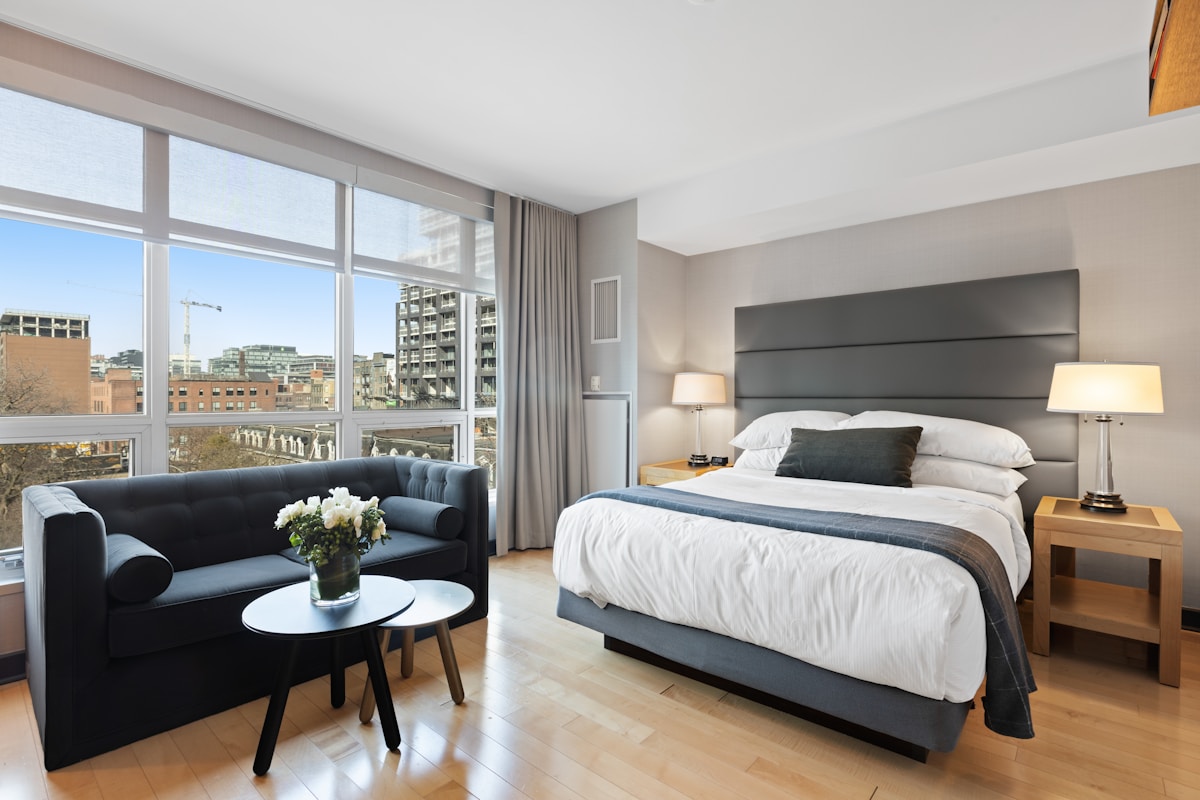
Set the room to 65 to 68 degrees. This is the single highest-leverage change. If running the AC that cool feels wasteful, cool the bedroom specifically and close the door. Your recovery is worth more than the few dollars.
Take a warm shower 60 to 90 minutes before bed. It sounds backwards. A warm shower actually helps your body dump core heat afterward, speeding the temperature drop that triggers sleep.
Switch to breathable bedding. Lightweight, moisture-wicking sheets beat heavy cotton in July. Small change, real difference.
Guard your wake time. Long summer evenings tempt you to stay up. Fine. But keep your wake time consistent anyway. A steady rise time holds your whole rhythm together.
Ease off the evening alcohol. Summer drinking is easy to normalize. Alcohol helps you fall asleep and then fragments the back half of your night, right when deep sleep should be doing its job.
Support the wind-down. When behavior alone is not enough, especially after 35 when melatonin production drops, a clean, well-formulated sleep supplement used alongside good habits helps your body find the deep stages heat keeps stealing.
The Bottom Line
Summer sleep loss is not a personality flaw and it is not just aging. It is physics. Your body cannot cool down, so it cannot fully recover. Fix the temperature and you fix most of the problem. Cool the room, protect your rhythm, and give your body the conditions it needs to do its overnight work. The version of you that trains, thinks, and shows up in August depends on the sleep you protect tonight.
FAQ
Why do I sleep worse in summer even with the same bedtime? Heat prevents the core body temperature drop that deep sleep requires, and longer daylight delays melatonin. Same hours in bed, less actual recovery.
What is the ideal bedroom temperature for sleep? Roughly 65 to 68 degrees for most adults. Cooler than most people keep it, and worth the adjustment.
Does a warm shower before bed really help in the heat? Yes. A warm shower 60 to 90 minutes before bed helps your body release core heat afterward, which speeds the temperature drop that signals sleep.
Heat pulls you out of the deep, restorative stages your body depends on to recover. Vybrant Sleep supports the deep sleep stages where your hormones reset and your body repairs, so hot summer nights do less damage. Try it risk-free with our 30-day money-back guarantee.
Join the Free Longevity Academy
About Joshua Haag
Joshua Haag is a master trainer, certified nutritionist, and founder of Heroic Performance and Vybrant. With over 20 years in the health and wellness space, Josh is the coach people find when surgery and PT have not solved the problem. He specializes in spine and shoulder rehab, corrective exercise, and functional movement, and brings a uniquely broad background to every client: classically trained chef, certified nutritionist, former professional athlete, and returning lecturer at Perform Better. Based in Los Angeles, he offers in-home personal training through Heroic Performance and created Vybrant, a clean supplement and lifestyle brand built around sleep, recovery, and longevity.

