

Everyone is talking about protein. And they should be. But there is a nutrient sitting right next to protein on the priority list that almost nobody in the fitness world talks about, and it is quietly determining whether everything else you are doing actually works.
Fiber. And no, this is not a conversation about staying regular. This is a conversation about your gut microbiome, your hormones, your inflammation levels, your fat loss, your sleep quality, and how fast you recover from training. Fiber touches all of it. And most adults over 35 are getting less than half of what they need.
In 2026, nutrition researchers and registered dietitians have named fibermaxxing, the deliberate practice of consistently hitting your daily fiber target, as one of the most impactful nutritional shifts an adult can make. A study published in July 2026 found that dietary fiber directly determines whether beneficial gut microbes actively reduce inflammation or become essentially dormant. That is not a minor finding. That is a mechanism that connects what you eat to how your body ages.
Here is what you actually need to know.
What Fiber Actually Does Inside Your Body

Most people understand fiber at the level of a cereal box. It keeps you regular. That is the kindergarten version. Here is what is actually happening.
Your gut contains roughly 38 trillion microorganisms. This is your microbiome. It is not just a digestive system. It is an immune system, an endocrine system, a communication network that sends signals to your brain, your hormones, and your inflammatory pathways. And it runs almost entirely on fiber.
When you eat fiber, your gut bacteria ferment it. That fermentation process produces short-chain fatty acids, primarily butyrate, propionate, and acetate. These compounds are not waste products. They are signals. Butyrate feeds the cells lining your gut wall, maintaining the barrier that keeps bacteria and toxins from leaking into your bloodstream. Propionate signals your liver to regulate blood sugar and fat metabolism. Acetate feeds microbes throughout the colon and influences appetite hormones.
When you do not eat enough fiber, this entire system underperforms. Your gut lining thins. Inflammatory markers rise. Blood sugar regulation deteriorates. Appetite hormones stop working properly. And the beneficial microbes that keep all of this in check either go dormant or get outcompeted by microbes that thrive in a low-fiber environment and drive inflammation.
That last point is what the July 2026 research confirmed directly. Fiber is not just food. It is the control switch for whether your gut microbiome is working for you or quietly against you.
Why It Matters More After 35
After 35, three things are happening simultaneously that make fiber more important, not less.
Gut Microbiome Diversity Declines With Age
Microbiome diversity, the number and variety of different microbial species in your gut, peaks in young adulthood and gradually declines from there. A less diverse microbiome is less resilient. It produces fewer short-chain fatty acids. It manages inflammation less effectively. It communicates less reliably with the brain and endocrine system. Consistent, varied fiber intake is one of the most evidence-backed strategies for maintaining and even restoring microbiome diversity as you age.
Chronic Inflammation Becomes the Background Setting
Low-grade, systemic inflammation is the underlying driver of virtually every major age-related health problem: cardiovascular disease, insulin resistance, cognitive decline, joint deterioration, and accelerated muscle loss. Fiber, through its effect on short-chain fatty acid production and gut barrier integrity, is one of the most powerful dietary tools available for keeping systemic inflammation in check. Adults over 35 who consistently under-eat fiber are running their body in a state of elevated inflammatory tone that undermines every other health effort they are making.
Hormonal Regulation Becomes More Fragile
Your gut microbiome plays a direct role in estrogen metabolism through an enzyme complex called the estrobolome. When the microbiome is healthy and fiber intake is sufficient, estrogen metabolites are processed and eliminated appropriately. When the microbiome is compromised by low fiber, estrogen recirculates at higher levels, contributing to the hormonal imbalances that drive fat storage, mood disruption, and sleep problems in both men and women over 35.
The gut-cortisol axis is equally relevant. Gut dysbiosis, the state of microbial imbalance driven largely by low fiber and processed food intake, drives cortisol dysregulation. And chronically elevated cortisol drives the belly fat storage, muscle loss, sleep disruption, and metabolic slowdown that define the most common complaints I hear from adults in their late 30s and 40s.
The Fiber and Sleep Connection Nobody Is Talking About
This one surprises almost everyone. Fiber directly affects sleep quality, and the mechanism is not indirect or theoretical. Short-chain fatty acids produced by fiber fermentation cross the blood-brain barrier and influence neurotransmitter production, including serotonin, of which roughly 90 percent is produced in the gut. Serotonin is a direct precursor to melatonin.
Research published in January 2026 in the Annual Review of Food Science and Technology confirmed that optimizing dietary fiber intake has measurable downstream effects on sleep architecture. Adults with higher fiber intakes spend more time in slow-wave sleep, the deep, restorative stage where growth hormone releases, tissue repairs, and the nervous system recalibrates.
Gut dysbiosis from chronically low fiber intake does the opposite. It disrupts serotonin production, elevates inflammatory cytokines that interfere with sleep architecture, and contributes to the light, fragmented sleep that leaves adults over 35 waking up feeling like they never fully rested.
Fix the fiber. Improve the microbiome. Improve the sleep. The chain is that direct.
Fiber and Fat Loss: The Mechanism Most Diet Advice Ignores
Fiber improves body composition through four distinct mechanisms that operate independently of calorie counting.
Satiety signaling. Soluble fiber slows gastric emptying and stimulates the release of satiety hormones GLP-1 and PYY. You feel fuller longer. Appetite stays more stable. The constant low-level hunger that drives overeating in calorie-restricted adults diminishes significantly with adequate fiber intake.
Insulin sensitivity. The viscous gel formed by soluble fiber in the digestive tract slows glucose absorption, producing a lower and more stable blood sugar response after meals. Over time, consistent fiber intake measurably improves insulin sensitivity, which directly affects fat storage patterns, energy availability, and metabolic rate.
Gut barrier integrity and inflammation. A leaky gut, compromised by low fiber and poor microbiome health, drives systemic inflammation that directly promotes fat storage and impairs fat burning. Butyrate from fiber fermentation repairs and maintains the gut barrier, reducing the inflammatory tone that makes fat loss progressively harder after 35.
Short-chain fatty acids and fat metabolism. Propionate produced by fiber fermentation signals the liver to reduce fat synthesis and improve fat oxidation. This is a direct metabolic effect, not a downstream consequence of eating less. Fiber actively shifts the body toward burning fat more efficiently at the cellular level.
How Much Fiber You Actually Need
The official recommendation is 25 grams per day for women and 38 grams per day for men. Most adults are consuming 10 to 15 grams. That is a gap large enough to explain a significant portion of the chronic health problems that become common after 35.
The fibermaxxing framework takes a more targeted approach: aim for at least 30 grams daily as a baseline, with a mix of soluble and insoluble fiber from whole food sources. The variety matters as much as the volume. Different fiber types feed different microbial species, and a diverse fiber intake produces a more diverse microbiome, which produces better outcomes across every system that depends on it.
One critical caveat: increase gradually. Adding 20 grams of fiber to your diet overnight is a reliable way to spend a very uncomfortable week. Increase by 3 to 5 grams per week and drink water consistently. Your microbiome needs time to adapt, and the adaptation process is exactly where the long-term benefits are built.
Interactive Fiber Checker
Tap everything you typically eat in a day
See how your daily fiber stacks up in real time
25g
Women — official daily minimum
38g
Men — official daily minimum
10-15g
What most adults actually consume daily
Tap everything you typically eat in a day:
Start tapping foods above to see your total.
The Best Fiber Sources for Adults Over 35
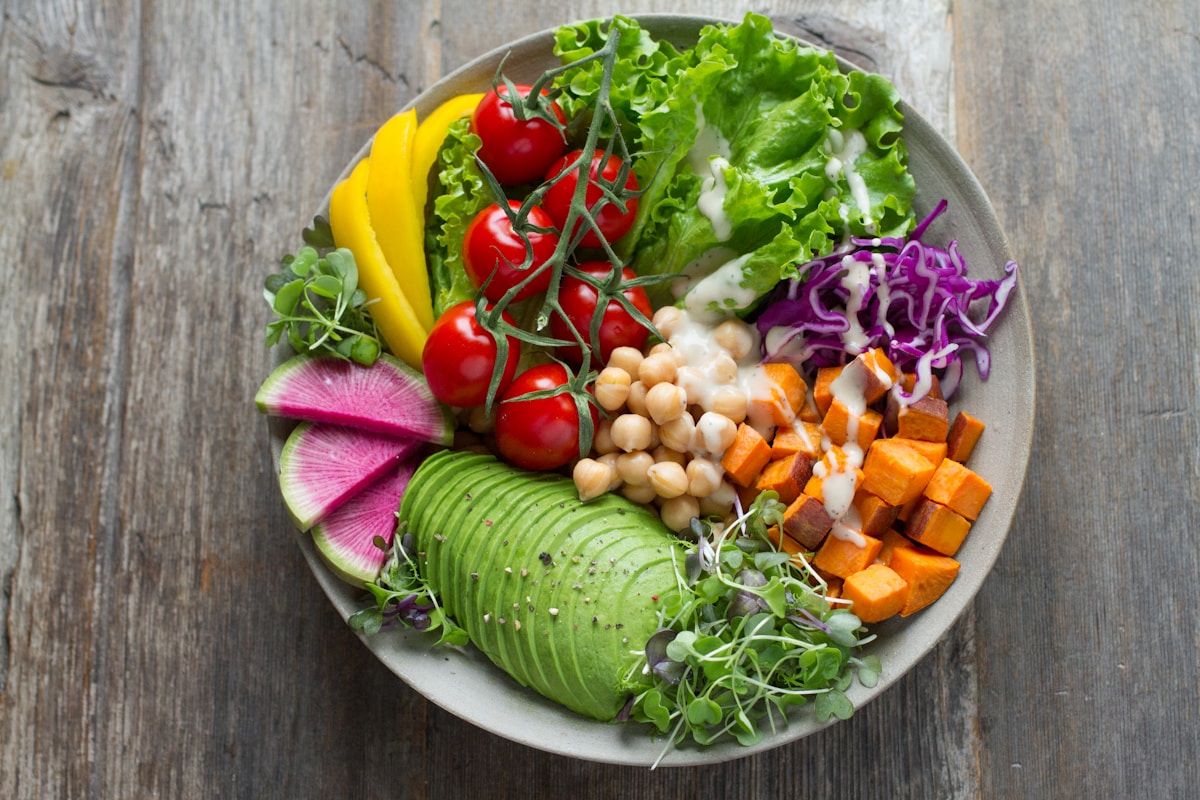
The goal is variety across both soluble and insoluble fiber. Here is how to think about building a high-fiber diet without turning every meal into a math problem.
Legumes are the anchor. Lentils, black beans, chickpeas, and kidney beans are among the highest-fiber foods available. Half a cup of cooked lentils delivers 8 grams of fiber and 9 grams of protein simultaneously. They feed a wide range of beneficial microbial species and are among the most researched foods for microbiome health and longevity outcomes.
Vegetables at every meal, not just dinner. Broccoli, Brussels sprouts, artichokes, asparagus, and carrots are particularly fiber-dense. A cup of cooked broccoli delivers 5 grams. Artichokes are one of the highest-fiber vegetables available at 10 grams per medium artichoke, and they contain inulin, a prebiotic fiber that specifically feeds Bifidobacterium, one of the most beneficial microbial families in the gut.
Fruit with the skin on. Apples, pears, berries, and kiwi are high-fiber options. The fiber in fruit is primarily pectin, a soluble fiber with documented cholesterol-lowering and blood sugar-stabilizing effects. Berries add polyphenols that feed specific beneficial microbial strains independently of their fiber content.
Seeds as daily additions. Chia seeds deliver 10 grams of fiber per ounce and form a gel in water that is one of the most effective sources of soluble fiber available. Flaxseeds provide both soluble and insoluble fiber plus lignans that support hormone metabolism. Both integrate easily into protein shakes, yogurt, or oatmeal without changing the flavor of whatever you add them to.
Whole grains strategically. Oats are the highest-value option here, delivering beta-glucan, a soluble fiber with the most robust clinical evidence for cholesterol reduction and blood sugar management of any single fiber type. Oats also consistently show the strongest microbiome diversity benefits among grain-based fiber sources.
How to Hit 30 Grams Without Thinking About It
Here is a practical day that gets you to 30 grams of fiber without tracking, meal prepping, or eating anything that does not taste good.
Breakfast: Oatmeal with a tablespoon of chia seeds, a handful of berries, and a scoop of protein. Fiber: approximately 12 grams.
Lunch: A large salad with mixed greens, half a cup of chickpeas, shredded carrots, and your protein of choice. Fiber: approximately 10 grams.
Dinner: Salmon or chicken with a cup of roasted broccoli and half a cup of lentils on the side. Fiber: approximately 10 grams.
Daily total: approximately 32 grams. No supplements. No special ingredients. No dramatic dietary overhaul. Just consistent whole food choices that happen to be high in fiber.
The Bottom Line
Protein builds the structure. Fiber runs the system that allows protein to do its job. A high-protein diet layered on a chronically low-fiber gut is like training hard in a body that cannot recover, cannot regulate inflammation, cannot produce hormones efficiently, and cannot sleep deeply enough to capture the gains from the work you are putting in.
Fibermaxxing is not a trend. It is catching up to what the research has been saying for a decade. The adults who figure this out first are the ones whose bodies still work the way they want them to at 50, 60, and beyond.
Stack your protein. Hit your fiber. Everything else gets easier.
FAQ
How much fiber do I need per day after 35? Aim for a minimum of 30 grams daily, with a mix of soluble and insoluble sources. Official guidelines set 25 grams for women and 38 for men, but most adults are consuming less than half that.
What is the difference between soluble and insoluble fiber? Soluble fiber dissolves in water, forming a gel that slows digestion, stabilizes blood sugar, and feeds specific beneficial gut bacteria. Insoluble fiber does not dissolve and adds bulk to stool, supporting gut motility and barrier integrity. You need both, from varied sources.
Can eating more fiber improve sleep? Yes, through the gut-serotonin-melatonin axis. Short-chain fatty acids from fiber fermentation support serotonin production in the gut, which is the precursor to melatonin. Higher fiber intakes are associated with more time in deep slow-wave sleep.
Will adding fiber cause bloating? If you increase too quickly, yes. Add 3 to 5 grams per week, drink plenty of water, and give your microbiome time to adapt. The bloating that comes from rapid fiber increases is temporary and resolves as your gut bacteria adjust.
What is fibermaxxing? Fibermaxxing is the practice of consistently hitting or exceeding the recommended daily fiber intake through whole food sources. It is one of the top nutrition trends of 2026 and is backed by a growing body of research connecting fiber intake to microbiome health, inflammation reduction, hormonal regulation, and longevity.
Your gut microbiome runs on fiber during the day and repairs itself during deep sleep at night. Low fiber and poor sleep are not separate problems. They are the same problem feeding each other. A compromised microbiome disrupts serotonin and melatonin production. Poor sleep drives cortisol that further damages gut barrier integrity. Break the cycle from both ends. Hit your fiber target every day, and give your gut the deep, restorative sleep it needs to complete the repair work fiber starts. Vybrant Sleep supports the deep sleep stages where your gut and your body do their most important overnight work. Try it risk-free with our 30-day money-back guarantee.
About Joshua Haag
Joshua Haag is a master trainer, certified nutritionist, and founder of Heroic Performance and Vybrant. With over 20 years in the health and wellness space, Josh is the coach people find when surgery and PT have not solved the problem. He specializes in spine and shoulder rehab, corrective exercise, and functional movement, and brings a uniquely broad background to every client: classically trained chef, certified nutritionist, former professional athlete, and returning lecturer at Perform Better. Based in Los Angeles, he offers in-home personal training through Heroic Performance and created Vybrant, a clean supplement and lifestyle brand built around sleep, recovery, and longevity.

